
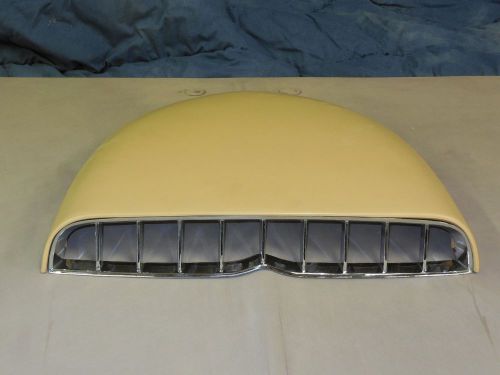
1953, 1954, 1955, 1956 Ford Truck Hood Air Scoop Part #baah-99647-a on 2040-parts.com
Beaverton, Oregon, United States
|
VERY RARE 1953 - 1956 FORD Hood Air Scoop: Offered for sale is a very rare, restored Ford Part #BAAH-99647-A hood air scoop. This part was designed as a fresh air intake into a special air cleaner on BIG JOB trucks. This also fits on 1953 through 1956 F-100 trucks. This part is a low number limited production accessory part. The scoop and grill are in pristine condition. The chrome on the grill partition is show quality. Ford documentation available to verify part. Please contact seller with questions pertaining to this part. Thank you! |
Hoods for Sale
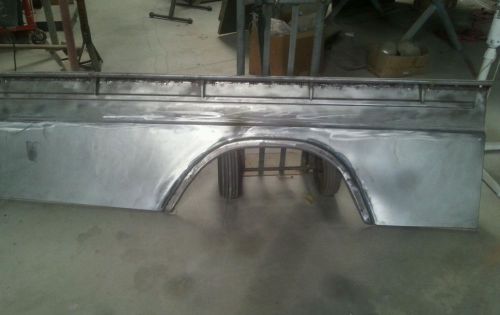 Toyota fj45,bj45,fj40,hj45(US $1,000.00)
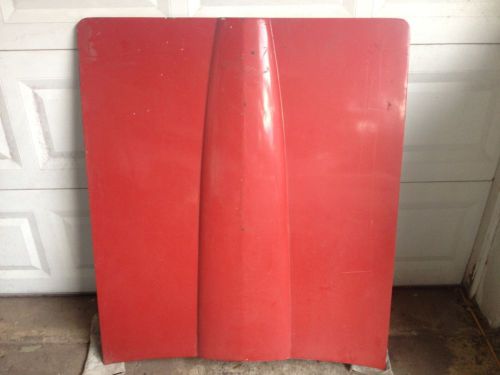 1965 1966 1967 corvette stingray 327 original gm hood excellent cond. florida(US $699.00)
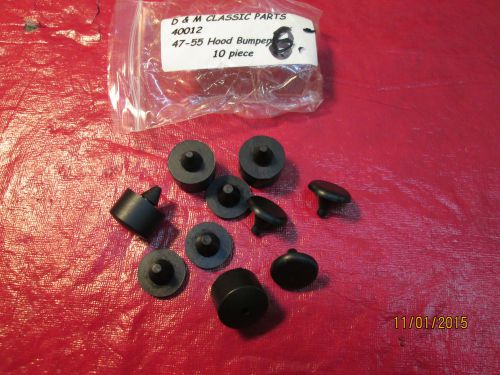 1947-55 chevy & gmc truck 10 piece hood rubber bumper set(US $8.00)
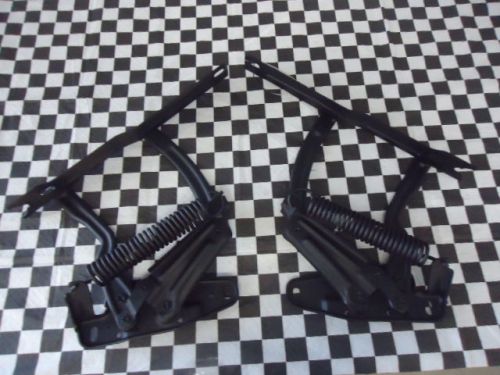 1970-81 camaro/z28/rs/firebird/formula/trans am oem hood hinges(US $99.95)
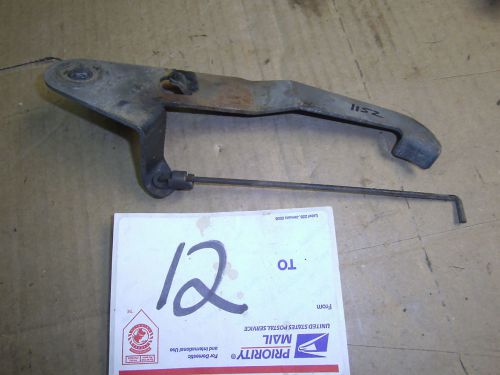 Used oem 1973-1977 dodge dart duster lite sport hood latch release handle opener(US $19.99)
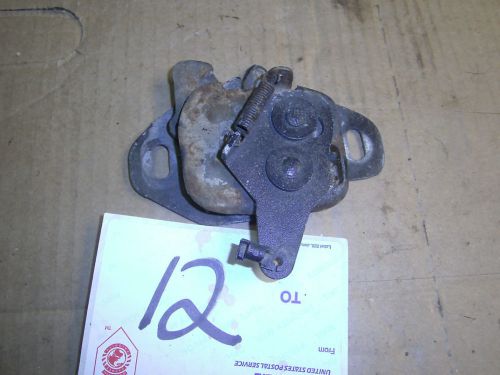 Used oem 1973-1977 dodge dart duster lite sport hood latch catch swinger gt oe(US $19.99)
Toyota Auris 2010 Updates
Wed, 14 Oct 2009Toyota has updated the Auris for 2010 And the Auris is a big deal for the UK as it will be the UK busy building the Auris Hybrid next year. So what changes has Toyota introduced to the Auris to keep it fresh through 2010? Nothing too drastic.
Audi A2 EV won’t make production – but you knew that
Thu, 03 Jan 2013Audi has revealed that it’s dropped plans to put the A2 electric concept – first revealed at Frankfurt 2011 - in to production. Back in June 2012 we reported that the Audi A2 EV wouldn’t make production as Audi had decided that the market simply wasn’t there for a £40k electric city runaround. Now that appears to have been confirmed by Audi in conversation with Autocar.
Ford invents agile, low-cost solution for prototyping, customization and limited production [w/video]
Wed, 03 Jul 2013A new metal forming technique pioneered by Ford that drastically reduces the time and cost of producing low-volume and one-off body parts may lead to cost-effective customization, redesigns, one-offs and limited production runs. Ford Freeform Fabrication Technology (F3T) forms sheets of metal by two stylus-like tools, one on each side of the surface. Using CAD data they form the part to the exacting strength and finish tolerances usually associated with stamping dies.