
1967 Gto Bumper Support Bracket,gm, Original,used on 2040-parts.com
Berlin, Connecticut, United States

|
I have an Original 1967 Pontiac GTO/Lemans/Tempest Front Bumper Cross/Center Support Bracket that attaches to the inside of your Bumper to give extra support. It is used and in solid straight condition! Thanks
|
Bumpers for Sale
 1963,64,65,66,67,68 ford or mercury comet, falcon, mustang bumper jack(US $30.00)
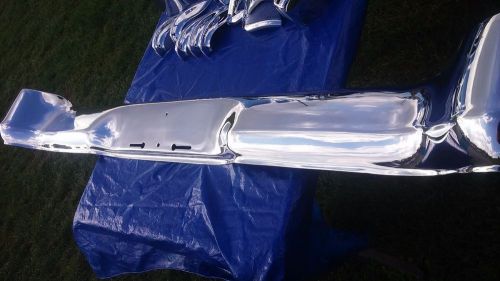 1956 chevrolet chevy bel air smoothie rear wagon nomad bumper show quality(US $1,450.00)
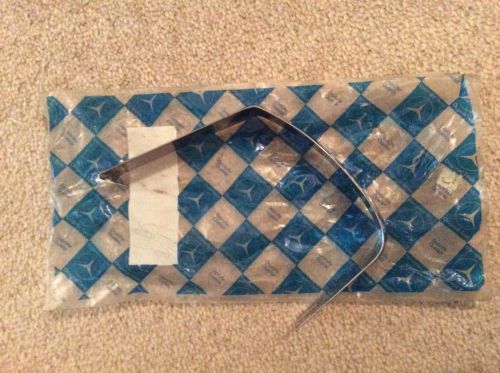 Abdeckung spange hinten neu o.e mercedes heckflosse w111 w112(US $150.00)
 Datsun 260z early 1974 rear bumper(US $250.00)
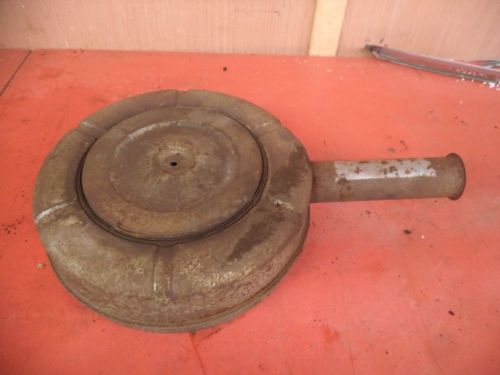 1962 62 ford fairlane 500 2 door sedan 260 c.i. engine breather(US $49.95)
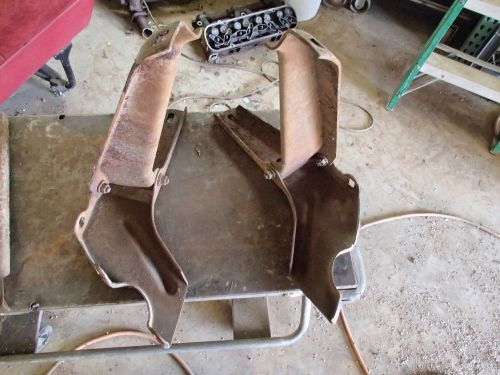 Front bumper mounting brackets 1963 pontiac catalina 63 bonneville ventura(US $90.00)
Dodge Challenger SRT Hellcat (2015) – the 707bhp muscle car
Thu, 03 Jul 2014By James Fallon First Official Pictures 03 July 2014 16:46 Dodge’s Challenger is to receive a new model in its line-up: the wild 2015 SRT Hellcat. It takes the Hemi V8 and boosts it with a supercharger to produce 707bhp and 650lb ft of torque. No wonder Chrysler claims the Dodge Challenger SRT Hellcat is the most powerful production muscle car ever.
VW Polo R-Line Style & more equipment across Polo range
Wed, 03 Apr 2013Volkswagen has introduced the VW Polo R-Line Style – price from £11,740 – in the UK and added more equipment across the Polo range for 2013. We though that VW had done the R-Line thing with the launch of the Polo R-Line this time last year, but it seems the bean counters at Volkswagen have worked out there’s room for a Polo R-Line ‘Light’ in the range, so we now get the VW Polo R-Line Style. That’s because VW decided that, unlike most of the VW range where the R-Line is an add-on pack for any model, the Polo R-Line only comes with the 1.2 litre 105PS engine – albeit in 3-door or 5-door guise – so you can’t have a more butch-looking R-Line with ‘lesser’ Polos.
Ford streamlines design process with latest 3D technologies
Thu, 16 May 2013Ford has released details of its use of new digital technologies in streamlining its design process. Designers use what they call the 3D CAVE – Computer Automated Virtual Environment – to recreate a car's interior by projecting images onto the large white walls and roof. 3D polarizing glasses framed with motion sensors are used to transport them into the car's virtual interior.