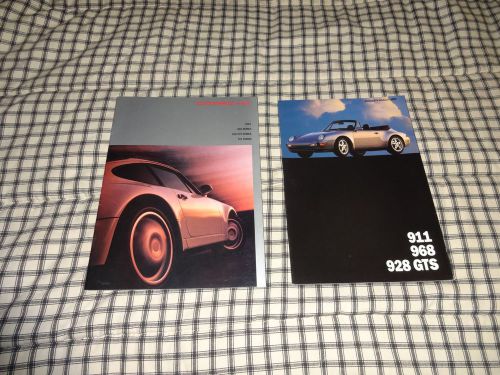
1993 Porsche 911 968 928gts Sales Brochure & Poster Nos on 2040-parts.com
Oakland, California, United States
|
The main brochure Includes the 911 Carrera 2, Carrera 4, Turbo, 968 928GTS & all the Tiptronic models. , approx, 9 x11-inches, 16 pages, new. The 2nd brochure is mainly a poster of the 911 measuring 34 x 23-inches. All new . . International buyers, please consult for shipping rates.
|
Porsche for Sale
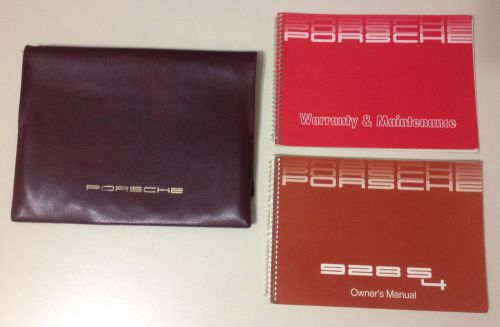 1987 porsche 928 s4 owner's manual set(US $150.00)
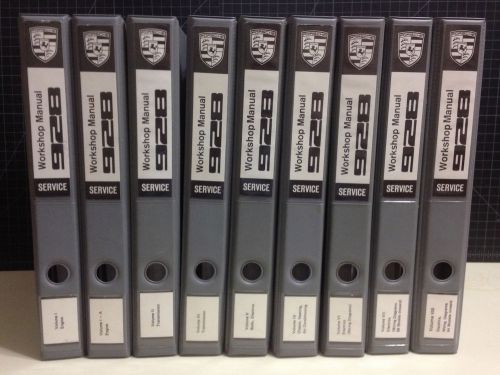 Porsche 928 workshop service manual set(US $500.00)
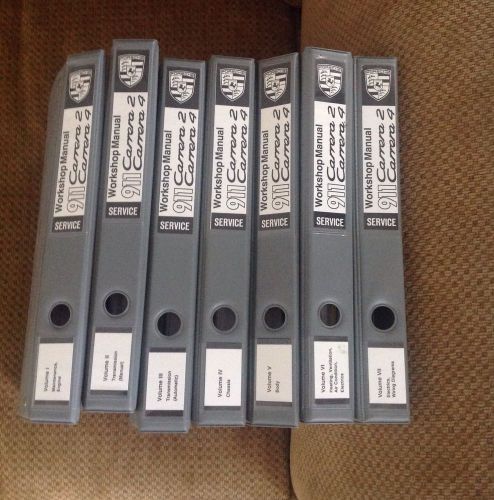 911 porsche workshop manuals(US $1,800.00)
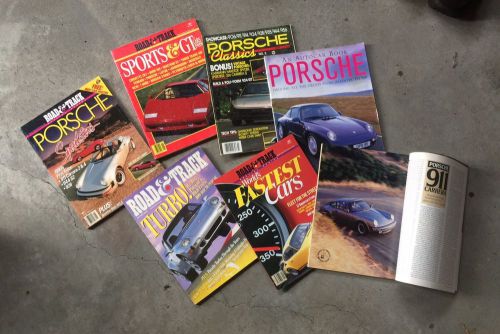 Porsche magazine collection(US $14.95)
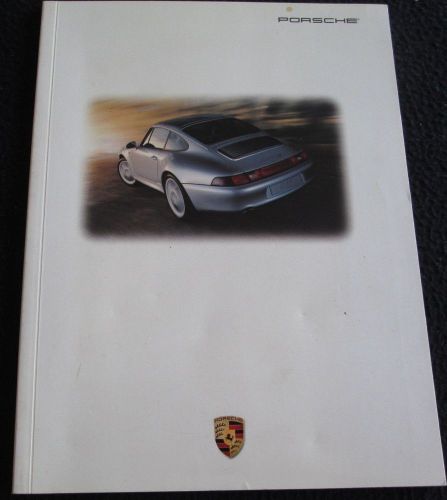 1996 porsche 911 carrera 4 4s turbo targa cabriolet prestige sales brochure
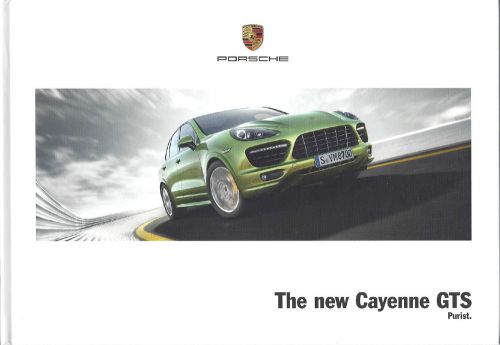 2012 porsche the new cayenne gts (purist) 41 page prestage hardback brochure(US $5.97)
Bentley SUV confirmed? Maybe
Fri, 15 Jul 2011Bentley are planning an SUV There was a time, not too long ago, when there was a reasonable expectation that most car makers would, at some point, deliver up an SUV. Yes, there was even talk of a Bentley SUV. But the global meltdown and the global-warmists seemed to have put paid to the concept of an off-road luxury everything, so we all forgot about the SUV plans gathering dust in every car designer’s cupboard.
CDN launches Studio Photos
Wed, 16 May 2007Car Design News is today launching 'Studio Photos', an extensive new library of high quality car photos taken in a photography studio. Developed in conjunction with automotive design research consultancy Car Men, it is a unique CDN member service created specifically as a visual benchmarking tool for design studios and consultancies who require directly comparable photos of production cars. Most designers or researchers will be familiar with the task of quickly finding good images of specific cars, details of some new model's tail lamp, or the side view of a particular class-leading competitor.
A brief history of the 'Le Mans-style' start
Wed, 09 Jun 2010The famous ‘Le Mans start’ Since the race’s inaugural meeting in 1923, tradition dictated a standing start. This later became known as a ‘Le Mans start’, and involved drivers lining their cars up along the pit wall in the order they qualified in. Racers would then have to stand on the opposite side of the track, and when the French Tricolor flag dropped the drivers would have to sprint to their cars, strap themselves in and begin racing.