
2001 Mercedes-benz C320 Rear Seat Belt & Retractor Only Center Gray on 2040-parts.com
Garretson, South Dakota, US

Seat Belts & Parts for Sale
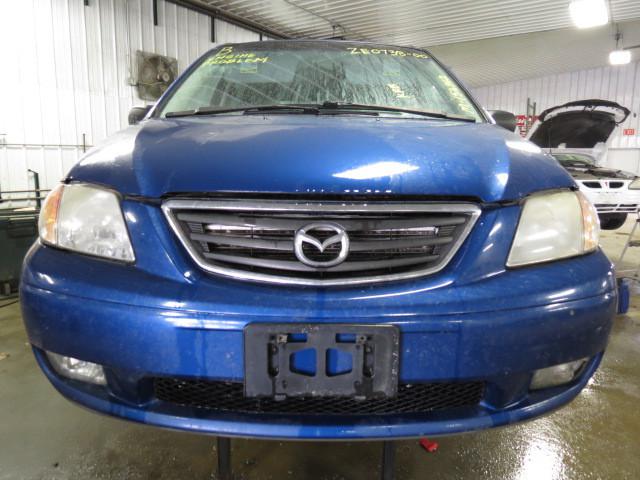 2000 mazda mpv van rear seat belt & retractor only 2nd row right gray(US $75.00)
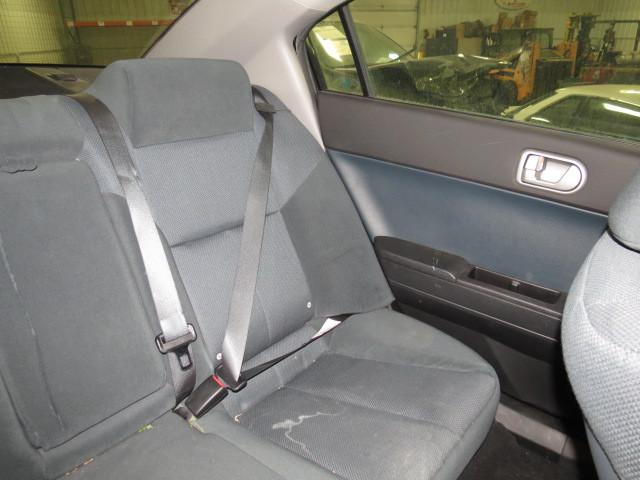 2005 mitsubishi galant rear seat belt & retractor only lh driver gray(US $75.00)
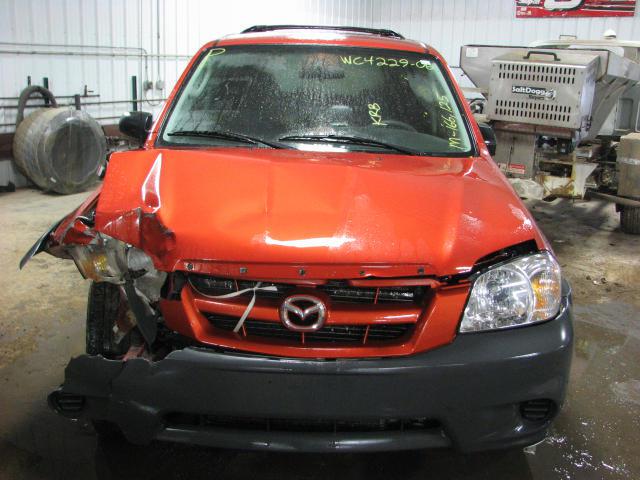 2006 mazda tribute rear seat belt & retractor only rh passenger gray(US $50.00)
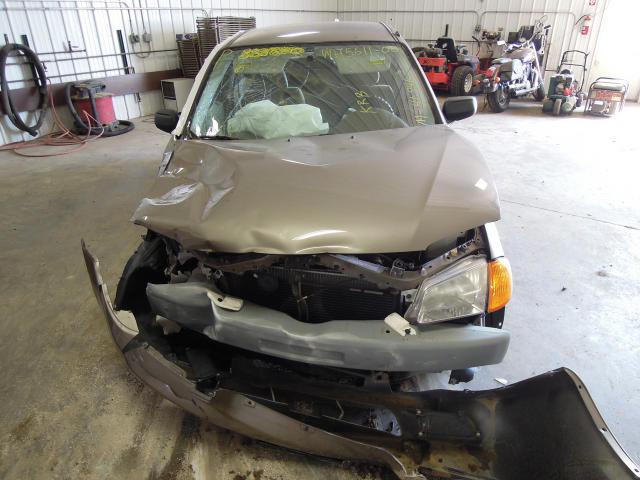 2000 mazda protege rear seat belt & retractor only rh passenger tan(US $50.00)
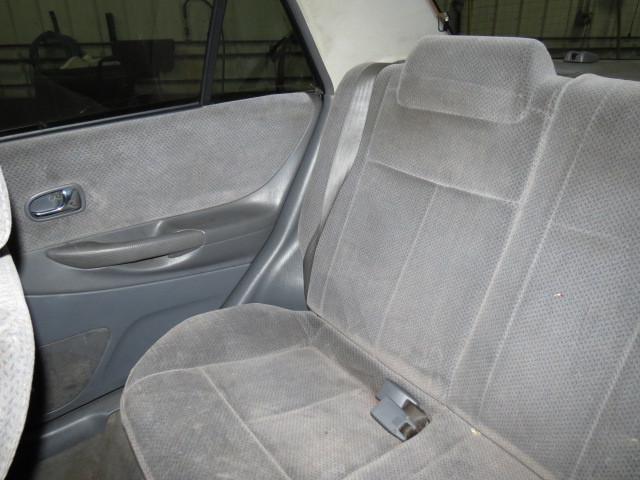 2000 mazda protege rear seat belt & retractor only rh passenger gray(US $75.00)
 2001 mazda protege rear seat belt & retractor only rh passenger gray(US $50.00)
2015 Subaru Legacy Concept to debut at LA Auto Show
Thu, 14 Nov 2013Subaru introduced the Legacy Concept for the Los Angeles Auto Show on Thursday. The concept sedan celebrates the 25th anniversary of the vehicle, and Subaru says it previews styling for future models. The Legacy Concept is swathed in a color called Ocean Silver Metallic and features a coupe-like roofline.
Fewer people commuting but distances on the up
Mon, 31 Mar 2014The average commute has increased in distance, but more people working from home means there are actually fewer cars on the road at rush hour today compared to 10 years ago, according to statistics from the most recent Census conducted in 2011. Figures show the average commute has increased from 8.3 miles in 2001 to 9.32 miles in 2011. People living in the east of England travelled the furthest to work at an average distance of 10.34 miles – while those in London had the shortest commutes averaging 6.83 miles.
rusEFI: Open-source homebuilt fuel-injection set to rival Megasquirt
Thu, 24 Apr 2014Electronic fuel-delivery and ignition controls have given us a new golden age of engine efficiency and performance. Most of us would never go back to the dark ages—say, before 1990—when you could still buy new vehicles with carburetors and clunky distributors. From the point of view of those of us who like to modify our cars, however, the black-box nature of engine-control computers limits our options for making changes to how our fuel-delivery and ignition systems function.