
4 Gallon Dwarf Car Fuel Cell on 2040-parts.com
Lakeland, Florida, United States

|
Fuel Cell made of cross link material, seamless, as shown in natural and
is 15" L X 9" H X 8" W. Comes with a 2 1/4" screw cap molded in,
and a #6 or #8 pickup fitting, as well as a 90 degree vent fitting (you
install). This tank also is available in black. This Fuel Cell is new
in the Dwarf Car/Mod Lite line. The tank is guaranteed--if you can
break it, I will replace it-no questions ask. I do not guaranty the cap
or fittings-but guaranty the tank. We have six natural and six black
available.
|
Fuel Cells for Sale
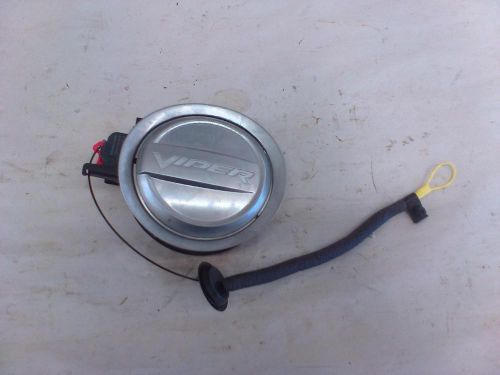 Dodge viper fuel filler door 2013 2014 2015(US $295.00)
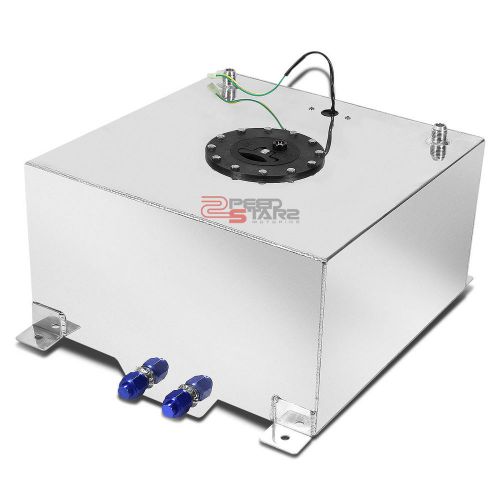 10 gallon lightweight aluminum gas fuel cell tank+level sender 16.5"x16.5"x9"(US $148.99)
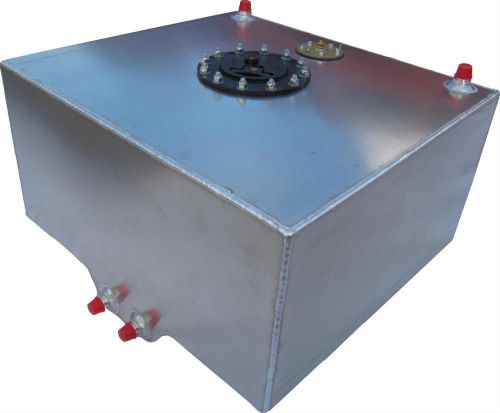 Rci 2150as aluminum fuel cell 15 gallon 8an outlets/vent/return w/ sending unit(US $264.99)
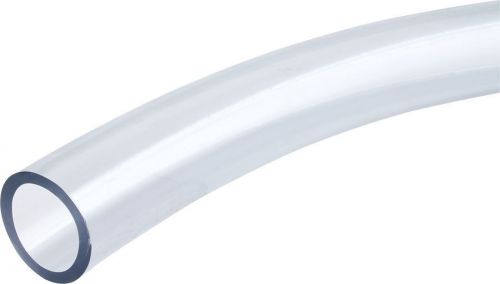 Allstar performance all40168-5 fuel cell vent/filler hose - 2-1/4" diameter 5 ft(US $59.99)
 Allstar performance all40161-5 fuel cell vent/filler hose - 1-1/4" diameter 5 ft(US $15.99)
 Allstar performance all40162-5 fuel cell vent/filler hose - 1-1/2" diameter 5 ft(US $25.99)
2012 Citroen C1 Facelift Price & Spec
Tue, 27 Mar 20122012 Citroen C1 Facelift Price & Specs announced Citroen has reveal price and specification details for its new for 2012 facelift for the little C1. Starts at £7,995. The new Citroen C1 – well, a facelifted version – was revealed by Citroen in January ahead of its debut at the Brussels Motor Show, and Citroen UK has now revealed prices and specs for the new models.
Ford Mondeo Vignale revealed – it’s back to the days of Ford Ghia
Wed, 04 Sep 2013The Ford Mondeo Vignale (picture) has been revealed as Ford’s new range-topper Mainstream car makers have always tried to add some glitz and gloss to their models by tagging on a badge they thought made their cars more exclusive. Like Ford with endless ‘Ghia’ models sitting at the top of the Ford range after they bought Ghia of Turin in 1970. Ford continued to use the Ghia badge to mark out its best-equipped models until very recently (you could still buy a Fiesta Ghia as recently as 2008) but they finally dropped the badge and moved their top of the tree badge over to the ‘Titanium’ moniker.
Call for reform over road repair funding
Fri, 06 Jun 2014FUNDING patterns mean most road maintenance is being carried out in "less-efficient, cold and wet" times, a report from a Government spending watchdog has said. The current pattern of funding, combined with the need to spend money within the financial year, means that most maintenance work goes on between September and March, said the report from the National Audit Office (NAO). It went on: "Although this is less disruptive for road users, it is less efficient than carrying out the work at other times of year because materials can be more difficult to handle in cold and wet conditions, and daylight hours are shorter." The report went on: "As a result of the additional funding for emergency repairs, which is made available at the end of the financial year, almost all highways authorities need extra capacity from the market at the same time, which makes it less likely that they will get value for money." The NAO report said there was a "lack of predictability" over road spending adding that historically, local highway authorities spent more revenue on maintenance, but were now carrying out fewer routine activities such as clearing gullies which are essential to preventing water seeping into roads' sub-structure.