
97 98 99 00 Saturn Sc2 Coupe Right Passenger Fender Panel Oem White Scratches on 2040-parts.com
Sugar Land, Texas, US
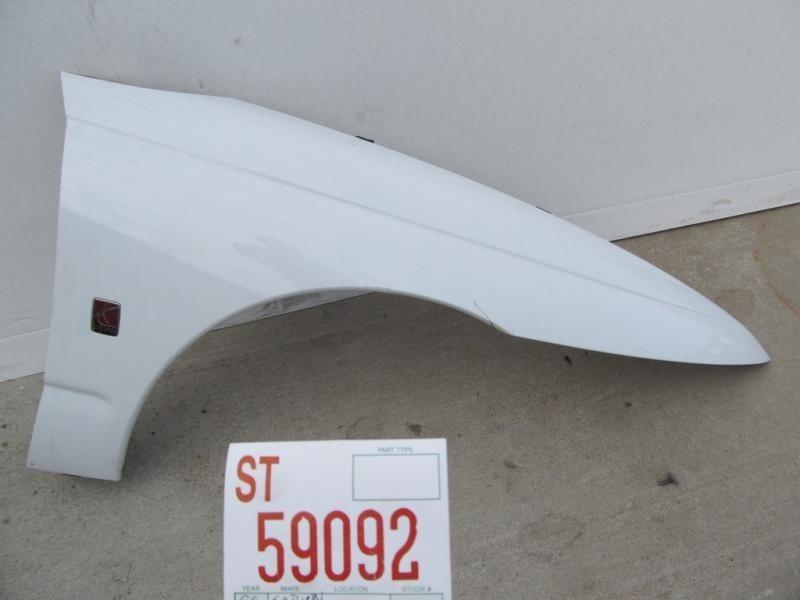
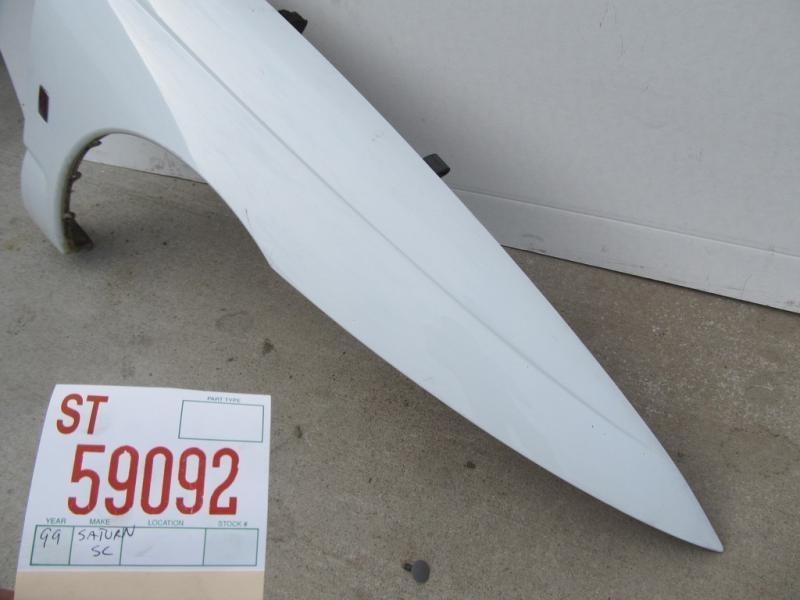
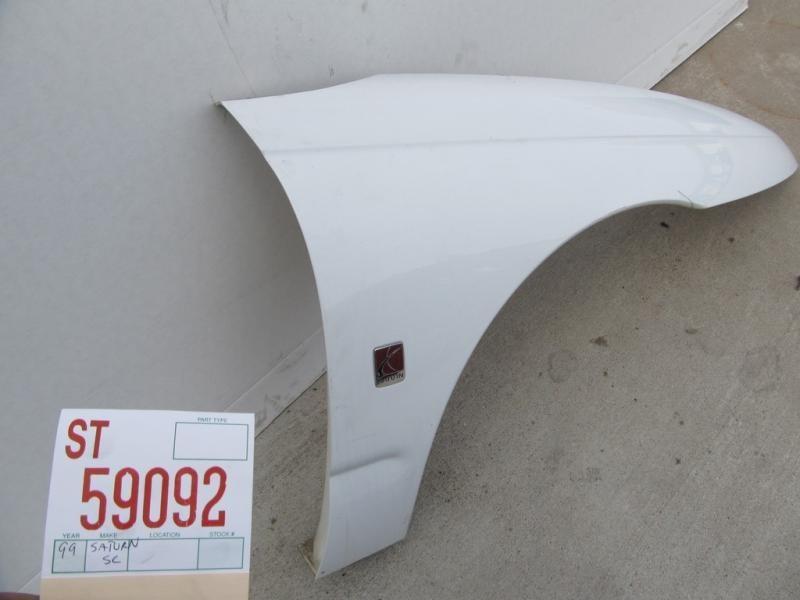
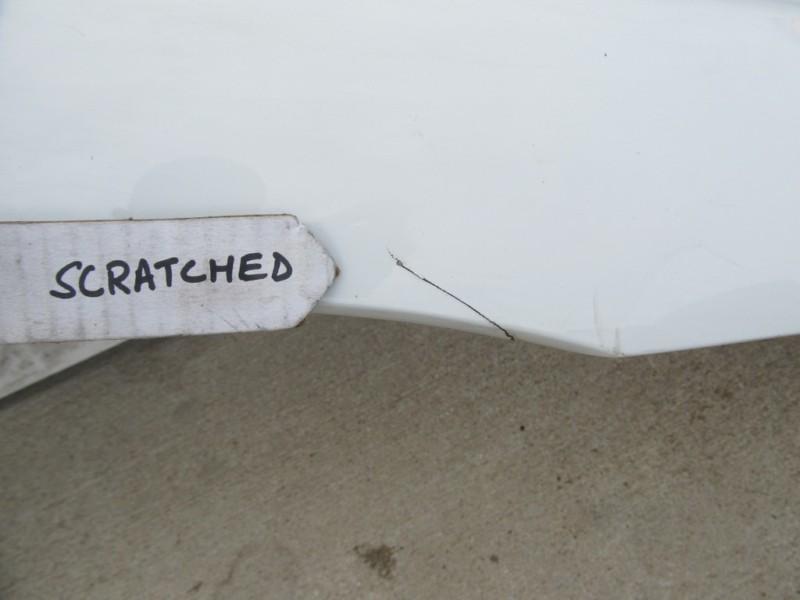
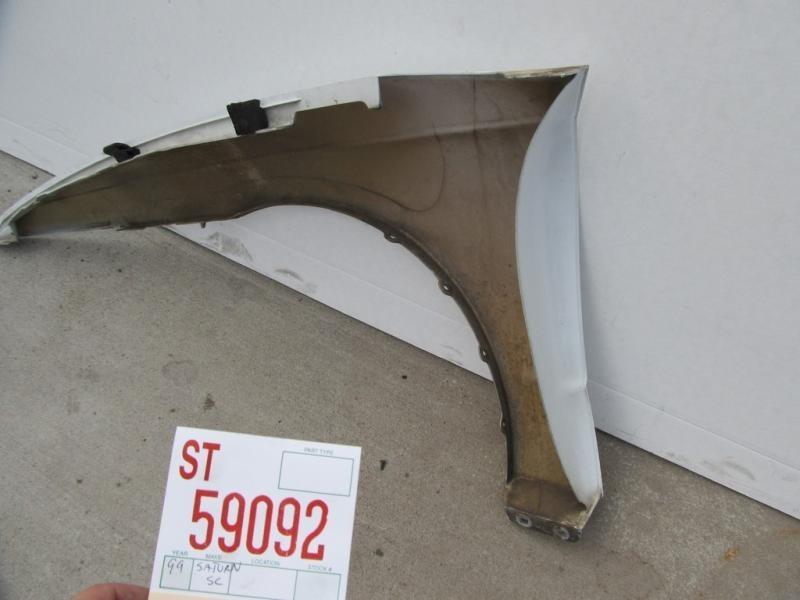
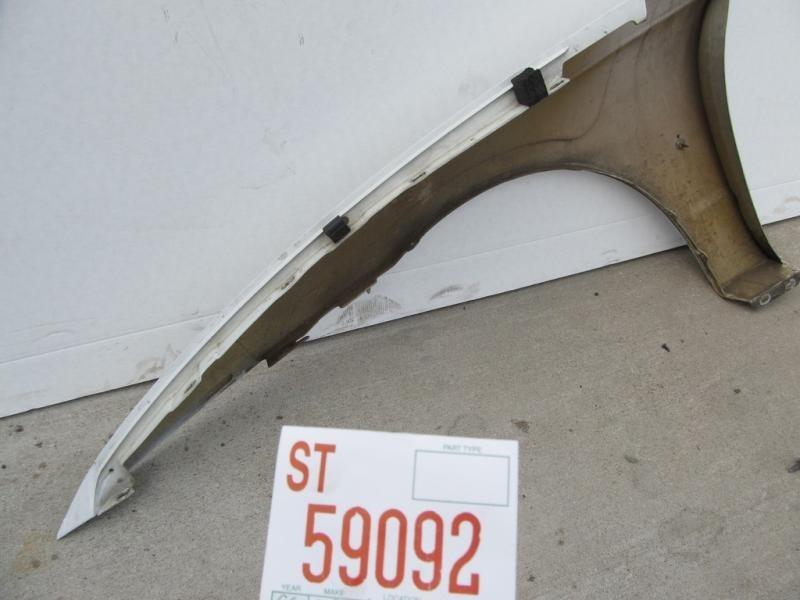
You Are Buying a Quality Used: Fender |

|
COMPATIBILITY & FITMENT Parts are only guaranteed to work in vehicles mentioned in "Item Condition" or "This Part May Also Fit" sections. Compatibility interchange information is not guaranteed to be exact. Please contact us before buying.
|
|
|
| ||||||||||||||||
|
PLEASE NOTE |
RETURNS |
SHIPPING | ||||||||||||||||
|
|
| ||||||||||||||||
|
Actual Item Pictures | ||||||||||||||||||
|
|
|
| ||||||||||||||||


Q~~60_1.JPG?set_id=880000500F)


Kia Naimo concept (2011) first official pictures
Thu, 31 Mar 2011Kia has provided us with a first view of their new Naimo supermini electric crossover concept car, ahead of its official debut at the 2011 Seoul motor show, which opens to the public on 1 April 2011. Kia Naimo? How do I pronounce its Name-o? Naimo comes from the Korean word 'ne-mo' (pronounced neh-mo), says Kia.
Toyota's global design chief Tokuo Fukuichi appointed president of Lexus
Thu, 27 Feb 2014Toyota's global design chief Tokuo Fukuichi will be the first designer to sit on the company's board of directors when his appointment comes into effect on 1 April. Fukuichi will retain his position as global head of design for the Toyota, Lexus and Scion brands and will join the board after the general shareholders' meeting. His influence on Toyota's design direction over the last few years has been noticeable, particularly with Lexus, as the company strives to make its traditionally very conservative products a little more exciting.
Worth a read: Wired's 'Why Getting It Wrong Is the Future of Design'
Thu, 25 Sep 2014Wired has just published a series of short articles entitled 13 Lessons for Design's New Golden Age. While there are some interesting examples cited in the piece, the concluding article, ‘Why Getting It Wrong Is the Future of Design' by the former creative director of Wired magazine, Scott Dadich, feels like it has particular resonance for car design. Dadich's Wrong Theory uses disruptive examples from the world of art, plus his own experience of working at Wired, to explain how design goes through phases: establishing a direction, creating a set of rules that define that direction and finally someone who dares to break from that direction.