
Where is Kinetic Design headed?
Tue, 28 Sep 2010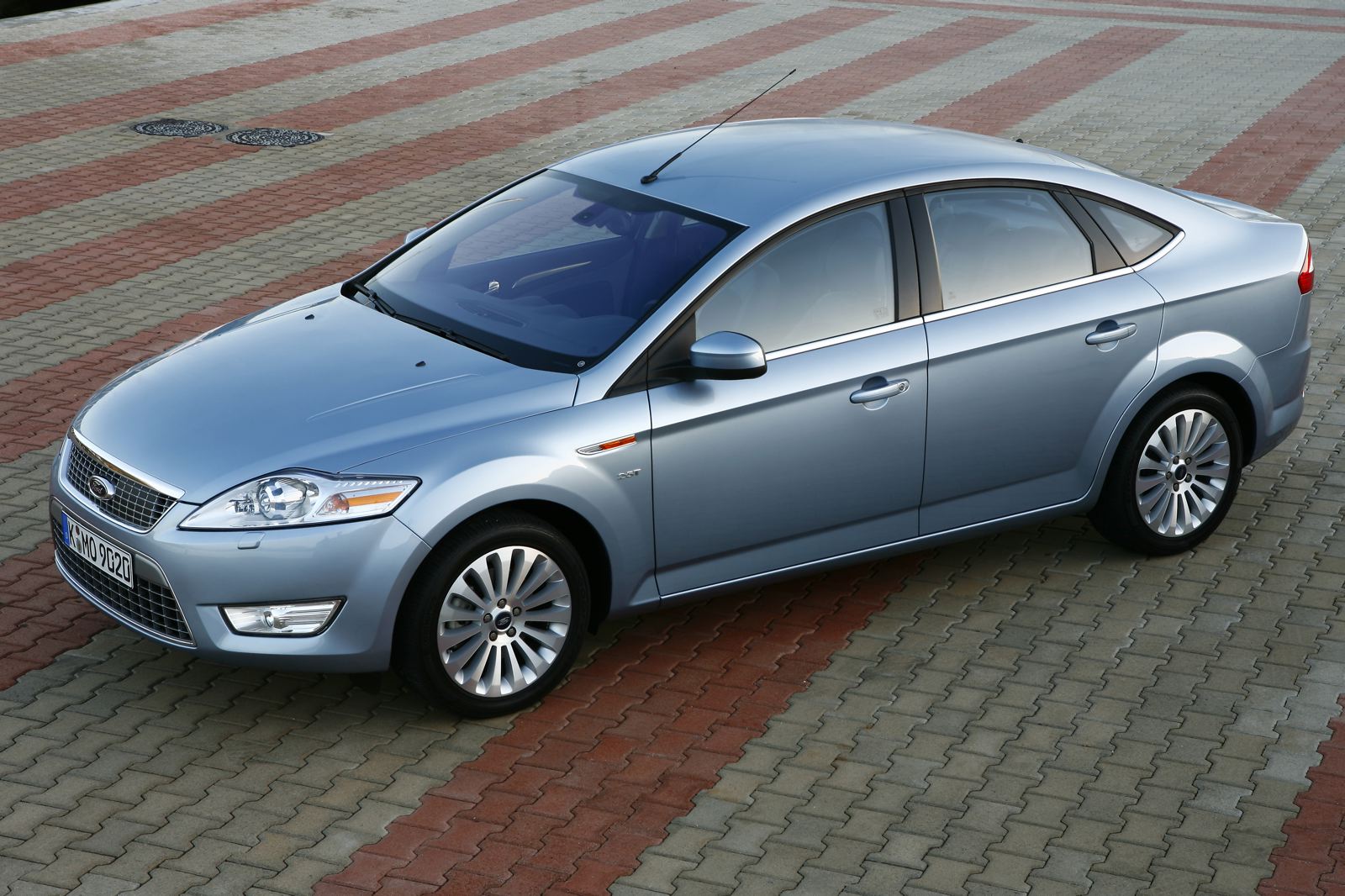
Martin Smith has been guiding Ford of Europe's design efforts since he was appointed to the position of Executive Design Director in 2004, coming straight over from an illustrious career at General Motors. During his tenure as Director of Design at GM Europe, Smith oversaw the Insignia concept car as well as much of the Opel range, including the acclaimed Astra.
At Ford, Smith spearheaded the automaker's 'Kinetic Design' strategy and has since presented this vision in both concept and production car form. CDN caught up with the design director to find out where Ford design plans to go next.
Ford's Kinetic design language has been in existence for a few years now, so where is it heading next?
"It's heading for its next evolution, its next generation. We don't intend to abandon kinetic design as it's been very successful for us.
"The definition of kinetic design is that we try to express the driving dynamic qualities through design: the cars should look like they're fun to drive, even if it's a family vehicle. We intend to develop that philosophy as we go forward, so it will become even more expressive."
Now that Kinetic Design is firmly established, is there scope for it to be more radical?
"I don't know if it will be more radical, but we have to be careful: it's a very expressive design language, which can't drift into the area of baroque. It has to remain tasteful.
"In the future we intend to launch a vehicle that will define a turning point in kinetic design that will take it into the next generation. At the moment we're evolving kinetic design because we're re-creating all of our product portfolio. But there will be a significant point where we'll move on to the next generation of vehicles and define that with the next level of kinetic design, as we did with the Iosis."
So you're working on a model that will be that starting point for the next evolution?
"We'll probably launch it, as we did with Iosis concept, with a concept vehicle, which will take us into the next generation."
Kinetic design originated from Ford of Europe, so will its influence be seen in Fords globally in the next few years?
"It's already been seen in the form of the Fiesta, which is being sold worldwide and will be seen on the Focus, which will also be sold worldwide."
So the US is embracing it too?
"Yes. We did a presentation to the US media in January this year at the Michigan Assembly Plant that has been converted from building trucks to producing only Focus for North America and the message clearly there was that kinetic design had come to America. This is our new global look."
What do you see as the dominant trends across the automotive industry at the moment?
"Everything that visualizes ecological trends. At the moment we're defining a design language that will not only demonstrate that our vehicles are not only fun to drive, but also economical and efficient to drive.
"It's difficult to define how you do that, but certainly aerodynamics play a large role."
And what do you see as the cars that are leading the trends that we'll see in the next few years?
"Some manufacturers have created a brand with hybrid vehicles - Toyota with the Prius, for example. The initial impact with those vehicles was quite high, but now people are aware that that type of vehicle exists.
"We're not absolutely sure at Ford if we need to create a design language that portrays alternative powertrains. We're waiting to see what happens."
Related Article:
Interview: Martin Smith, Executive Director of Design, Ford of Europe
By Craig Thomas