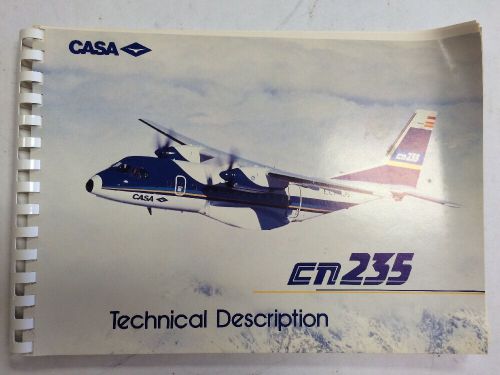
Casa Cn 235 Series 100 Originaltechnical Desription on 2040-parts.com
Barberton, Ohio, United States
|
CASA CN-235 Technical Description brochure dated May 1987 covers: General Information, Geometrical Data, Structures, Landing Gear, Power Plant, Fuel System, Hydrauic System Electrical System, Lighting, Instrumentation and Avionics, Flight Controls, Fire Protection System, Weather Protection Systems, Environmental and Pressurization System, Oxygen System, and Servicing.
|
Aviation for Sale
 1980 cessna 172rg cutlass rg information pilots owners operating manual handbook(US $15.49)
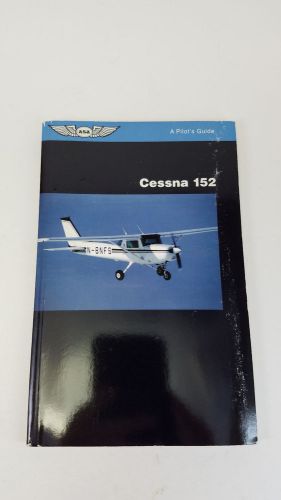 Asa pilot's guide series: cessna 152 | asa-pg-c-152(US $10.49)
 Commerical pilot faa practical test standards by jeppesen singe engine land(US $4.49)
 1973 piper cherokee cruiser owners handbook pa-28-140 reprint(US $34.49)
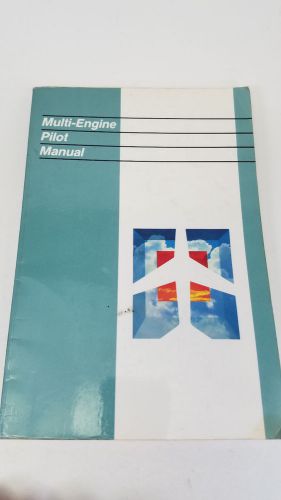 Jeppesen multi engine pilot manual 1989(US $13.49)
 Jeppesen sanderson federal aviation regulations book flight training flying(US $9.49)
CAR scoop: GM's $13 billion gamble (2013)
Mon, 30 Sep 2013By Ben Whitworth Motor Industry 30 September 2013 09:45 GM Europe has racked up enormous losses every year since 1999; in 2012 it bled $1.8 billion while GM North America earned $6.9 billion before tax. Yet the Detroit mothership continues to pump billions into its European division, like a deluded gambler convinced his luck will change. Max Warburton, automotive analyst at Wall Street researcher, Sanford C.
Is the new Jaguar sports car going to be the Jaguar C-XE?
Mon, 24 Oct 2011Is the new Jaguar Sports car going to be called the Jaguar C-XE? Jaguar are keen to associate their new sports car – the Jaguar C-X16 Concept – with the legendary E-Type, so it seemed logical they would call it XE. But it looks like it may actually be the Jaguar C-XE.
Driverless Car Project Launched In Land Of The Concrete Cows
Fri, 08 Nov 2013MILTON Keynes might already be famous for its concrete cows and numerous roundabouts, but soon it’ll also be known for its driverless cars. In a project aimed at boosting green technologies, a fleet of 20 driver-operated ‘pods’ will run on designated pathways separated from pedestrians. By mid-2017 it is planned that 100 fully autonomous vehicles will run on pathways alongside people, using sensors to avoid collisions with obstacles.