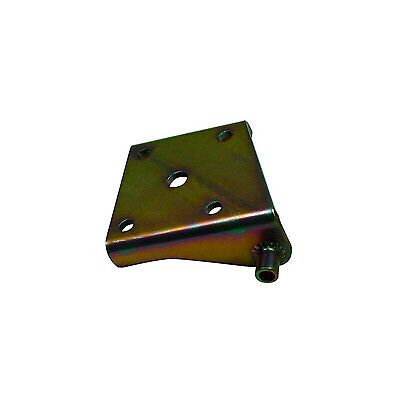
Detroit Speed Engineering Lower Shock Plate - Rh W/compatible With/replacement on 2040-parts.com
Saint Paul, Minnesota, United States
Other for Sale
 Steeda autosports front strut camber plates 15-16 mustang 555-8139(US $437.38)
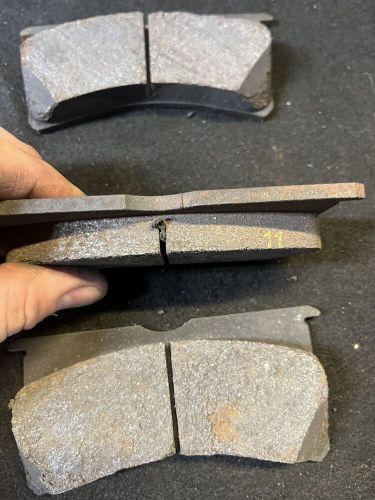 Superlite brake pads pfc 11 late model(US $100.00)
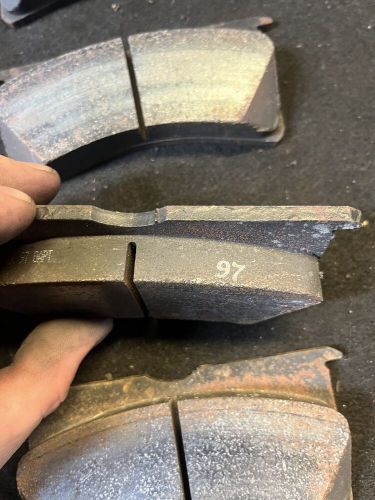 Superlite brake pads pfc 97 late model(US $100.00)
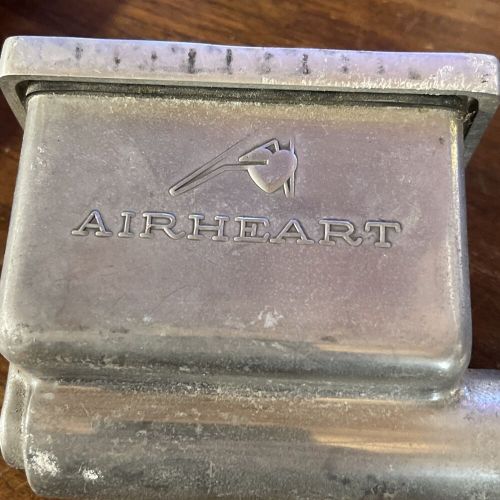 Vintage airheart disc brake part hot rod gasser scta racing cylinder(US $89.99)
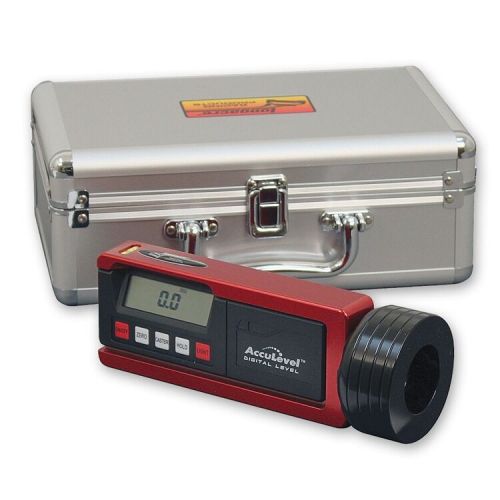 Longacre 78290 digital caster camber gauge w/ acculevel(US $287.98)
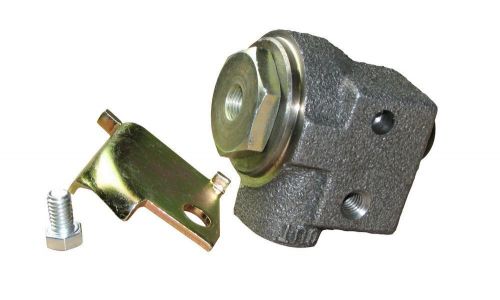 Right stuff detailing pv68 67 69 fits for gm disc brake valve(US $119.41)
National Corvette Museum launches effort to build a track complex
Wed, 28 Apr 2010Driving to the National Corvette Museum in Bowling Green, Ky., ranks high on the must-do list of many car enthusiasts. Driving away from the museum in a shiny new Corvette is a dream realized by several hundred people each year, part of Chevrolet's factory-delivery program. Now, the museum wants to make it possible to drive while you're there.
Subaru Forester (2009): first official pictures
Thu, 27 Dec 2007By Phil McNamara First Official Pictures 27 December 2007 14:50 This is Subaru's all-new Forester estate, set to be unveiled at January's Detroit motor show. Devoted fans won't be disappointed, because the 2009 model year Forester dogmatically sticks to the Forester formula: a jacked up, four-wheel drive wagon, but with a newish look, more refinement and improved safety levels, says Subaru. Today's boxy, oldschool Volvo-look makes way for a boxy, newschool Mitsubishi Outlander-look. The lamps, grille and glasshouse are slightly more expressive than on the current car, but Subaru isn't breaking any new ground for car design. Good job, because last time that happened, the Tribeca MPV was inflicted on the world.
Concept Car of the Week: Pininfarina CNR-PF (1978)
Fri, 12 Oct 2012In the 1970s alarm bells were ringing in the energy sector as a series of energy crises and rising fuel prices spiralled. The car industry was forced to produce a new generation of more efficient cars and designers were putting new models through wind tunnels to optimize their aerodynamic performance to reduce aerodynamic drag. Some pushed the limits further than others and none more so than Pininfarina, which designed a car that slipped through the air twice as efficiently than any other.