
Honda Sl70 Foot Pegs on 2040-parts.com
Greenbrier, Tennessee, United States
|
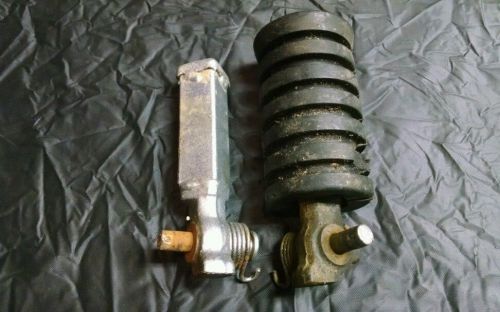
Removed from Honda sl70. Pegs are as shown in pic. One has rubber other does not. The pin holes may need to be drilled out where old pin was broken off. Should work fine otherwise.
|
Other for Sale
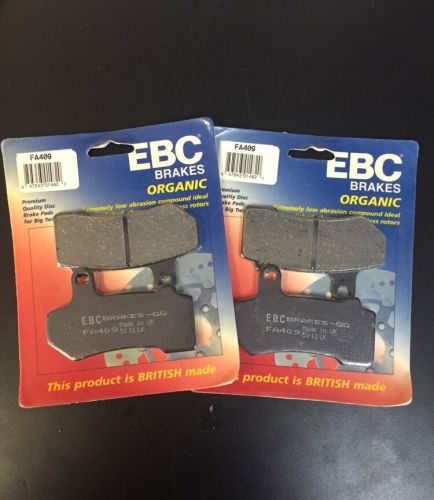 Ebc organic brake pads front harley~ flhx street glide 08~15 fa409(US $57.50)
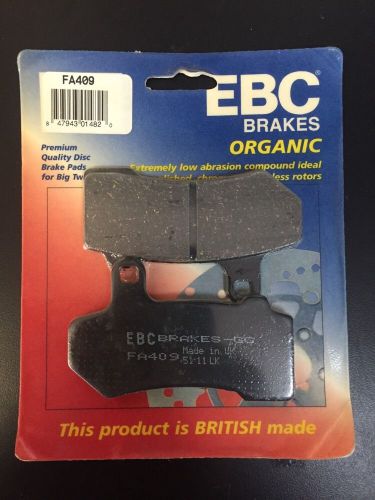 Ebc organic brake pads rear harley~ flhx street glide 08~15 fa409(US $28.75)
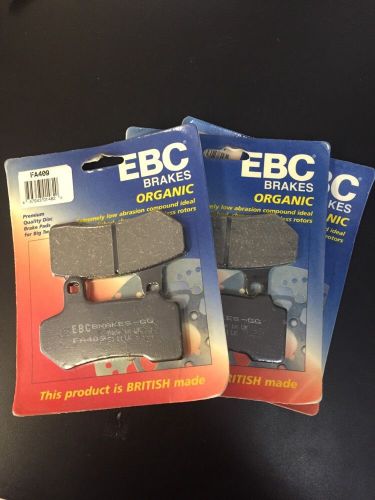 Ebc organic brake pads front / rear harley~ flhx street glide 08~15 fa409(US $86.25)
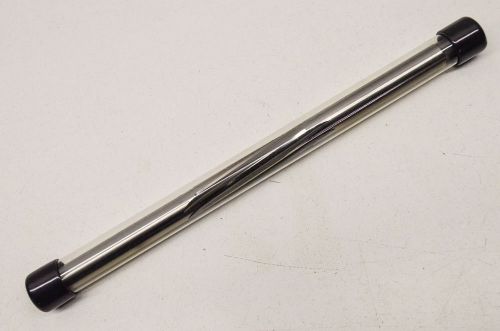 New jims rocker arm reamer(US $174.31)
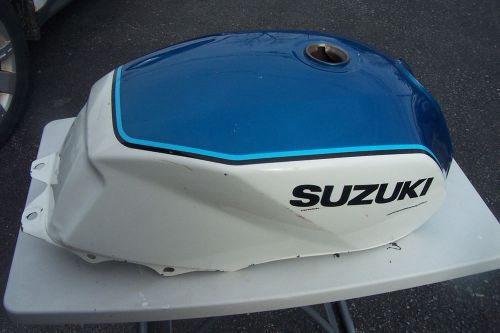 Used suzuki gas tank
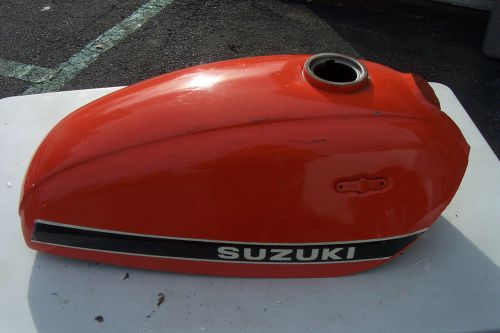 Used suzuki gas tank
Retracing Steve McQueen's Los Angeles in his Jaguar XKSS
Mon, 21 Apr 2014In 1958, Steve McQueen bought this Jaguar XKSS from a local TV personality who kept it parked in a studio lot on Sunset Boulevard. McQueen cajoled his wife Nellie into writing a check for $5,000 -- today around $40,000 -- and became the third owner of XKSS chassis No. 713, a car that had originally been imported a year earlier by Jaguar North America.
Renault's future performance models
Thu, 24 Apr 2008By Richard Yarrow Motor Industry 24 April 2008 10:20 There has never been a hot version of the Laguna from Renaultsport – the performance arm of the French car maker – and our advice is don’t hold your breath for one any time soon. With the MkIII Laguna launched last year, the timing would be perfect for the debut of a flagship model on the home turf of the Paris motor show in October 2008. But Patrick Pelata, Renault’s director of product planning, told CAR Online the quality of other super-saloons coupled with environmental concerns meant it wasn’t likely.
Use screenwash – or risk Legionnaires’ Disease
Mon, 14 Jun 2010Adding Screenwash stops Legionella bacterium To be entirely truthful, the risk isn’t huge. There are probably less than 500 cases a year of Legionnaires’ Disease in the UK, but new research points to a likely cause for an unpleasant infection for which the source of infection often goes undiscovered. The Health Protection Agency has been checking out findings that professional drivers were the group mostly at risk – five times more likely to contract Legionnaires’ disease – and have been looking at why.