
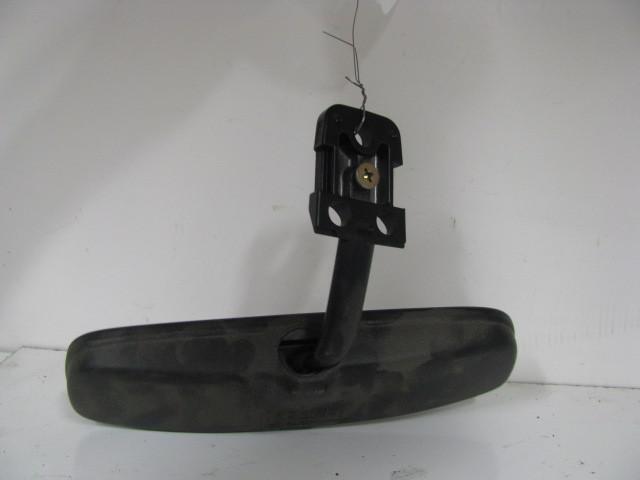
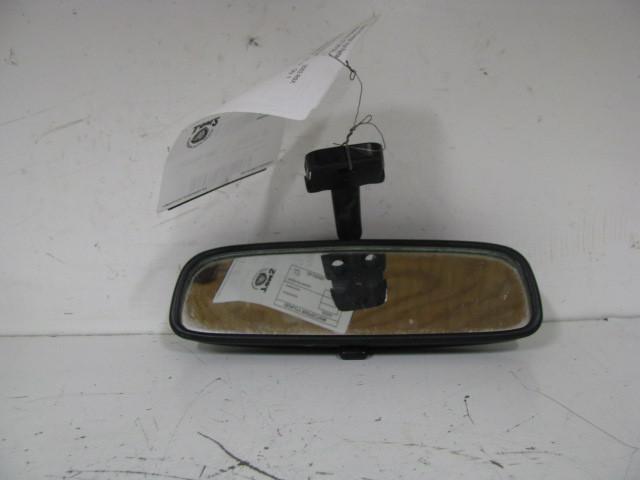
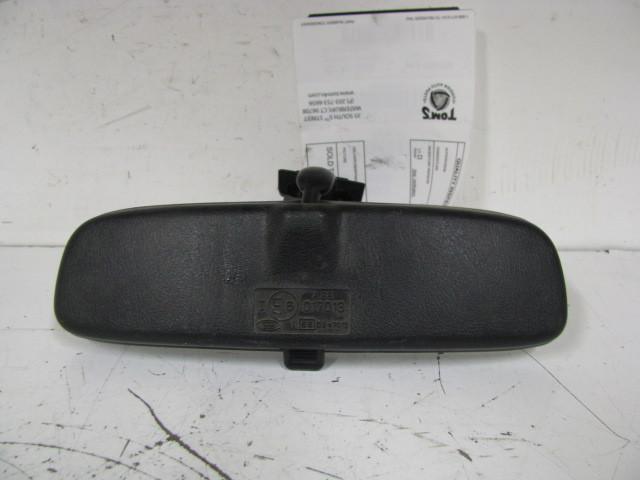
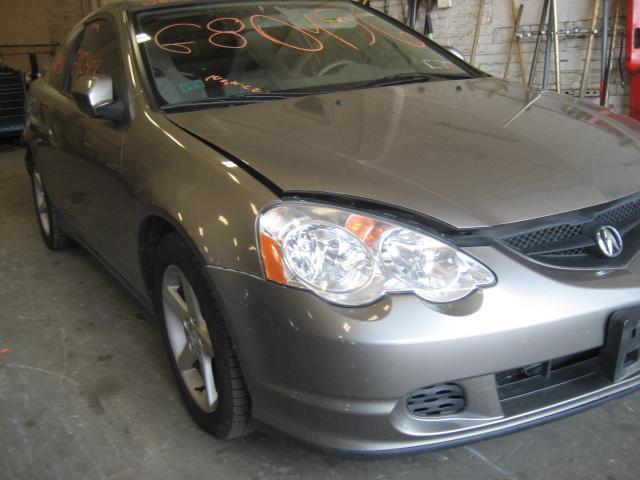
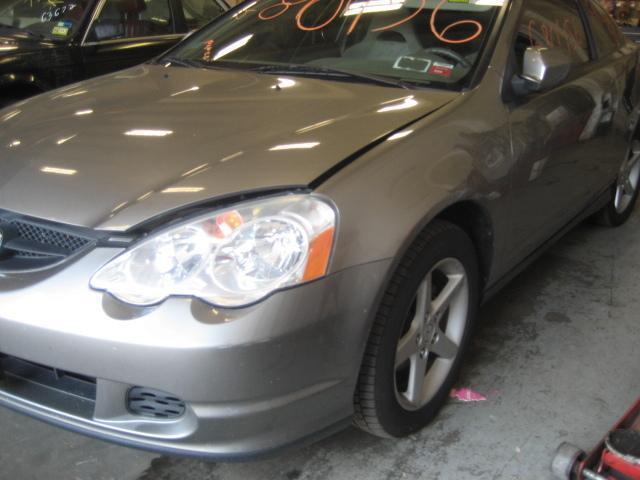
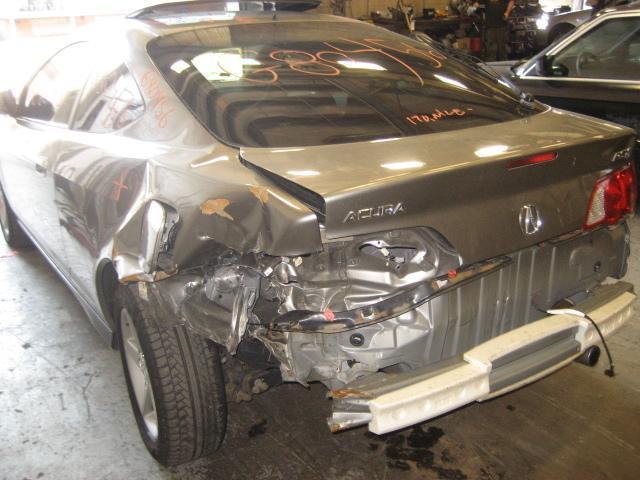
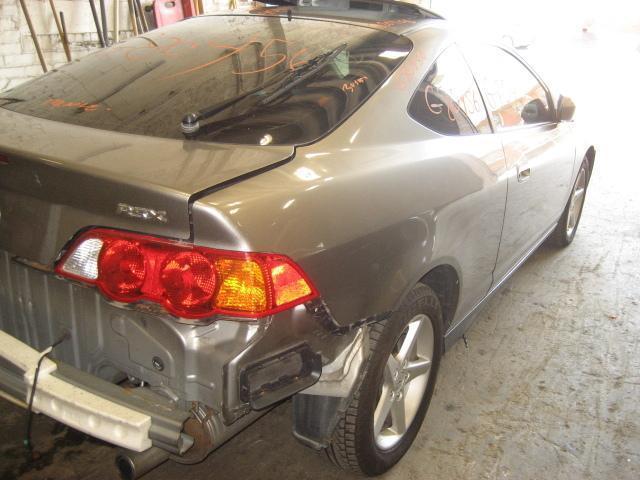
Interior Rear View Mirror Acura Rsx 2002 02 1607 on 2040-parts.com
Waterbury, Connecticut, US

Mirrors for Sale
 99-09 bmw e46 e90 323 325 328 525 540 rear view mirror auto dim 015313 gntx-209(US $69.99)
 03 04 05 06 grand marquis inner interior rear view mirror glass oem 18988(US $41.84)
 Interior rear view mirror audi a6 s6 2002 02 616765(US $71.99)
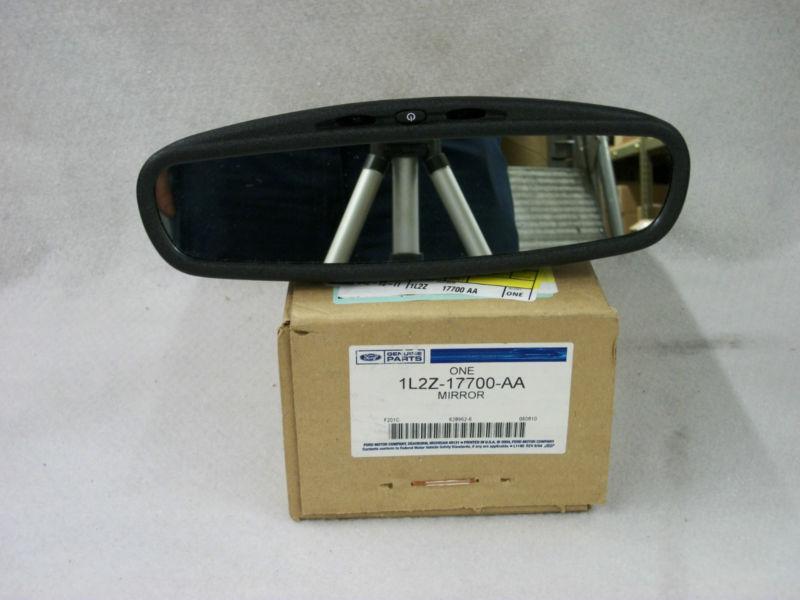 02/05 ford explorer - rear view mirror with elec trochromic(US $130.00)
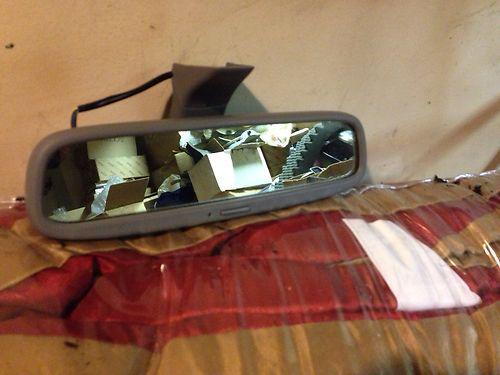 Lexus rx 300 99 00 rear view mirror gray(US $60.00)
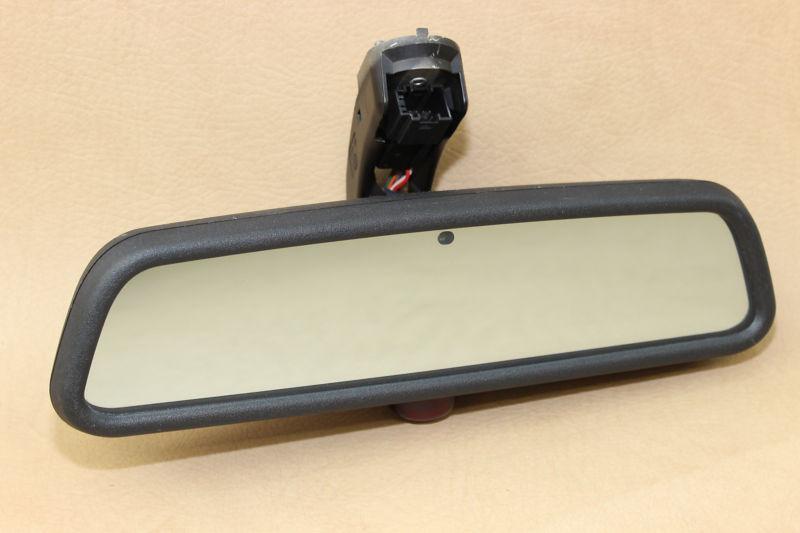 99-09 bmw e46 e90 323 325 328 525 540 rear view mirror auto dim 015313 gntx-209(US $99.99)
Mopar rolls out a line of alternate grilles, wheels for the Chrysler 300
Wed, 18 May 2011Chrysler 300 owners love the bling, and Chrysler isn't about to let the aftermarket snap up all that accessory cash. To compete, Chrysler's Mopar parts arm is introducing eight new custom grilles and six new wheel designs for the big sedan. Chrysler designed the grilles as inserts, to fit within the original grille surround.
Pininfarina Nido microcar brings safety, spunk to exhibition in Japan
Wed, 23 Sep 2009The Pininfarina Nido, the quirky pedestrian-friendly microcar from the 2004 Paris auto show, is being dusted off for another showing. This time, it will appear as part of an exhibit to bring Italian culture and innovation to Japan. The event runs from Sept.
Ford increases UK Car Prices
Tue, 24 Mar 2009Ford is to increase UK Car prices by an average of 3.75% as a result of the weak pound You can’t blame Ford – it has to make a living, and things are tough enough for car makers at the moment without suffering at the hands of unstable currencies. Ford reckons that the movement in the Pound against the Euro in the last yaer or so has cost it nine figures on its UK income. Big money, no question.