
New Manual Passengers Side View Door Mirror on 2040-parts.com
ON, CA

Mirrors for Sale
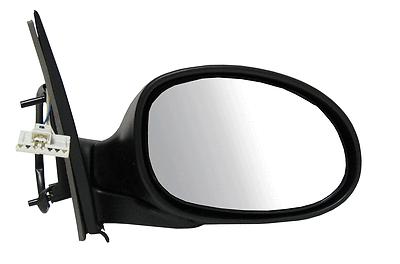 Neon power side view door mirror foldaway black assembly passenger right rh(US $40.58)
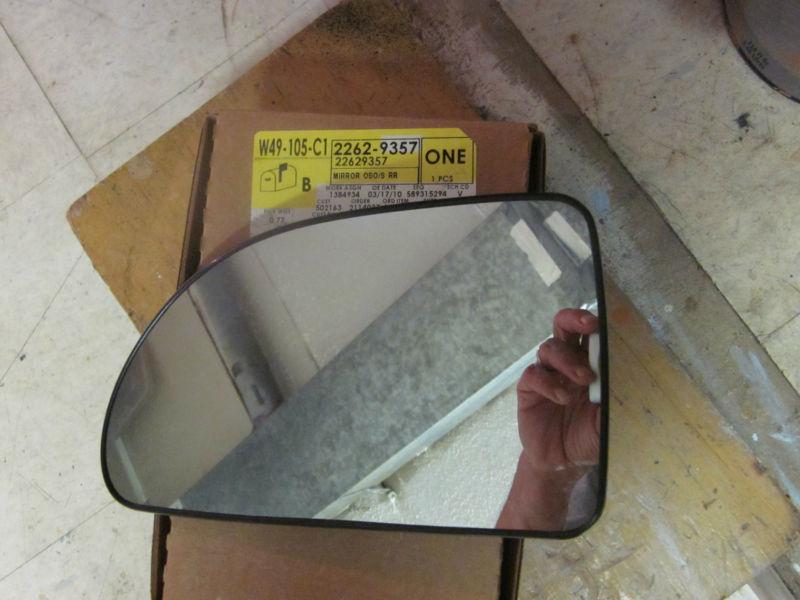 2006,2007,2008,2009 equinox torrent vue mirror glass 22629357(US $15.99)
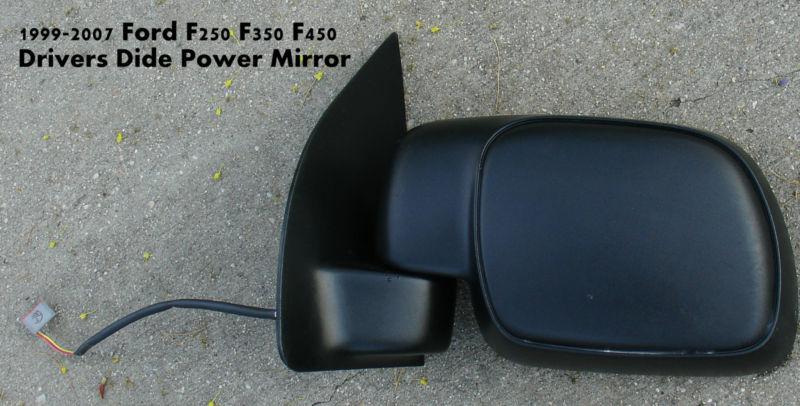 99 00 01 02 03 04 05 06 07 ford f250 f350 f450 drivers side power mirror black(US $57.00)
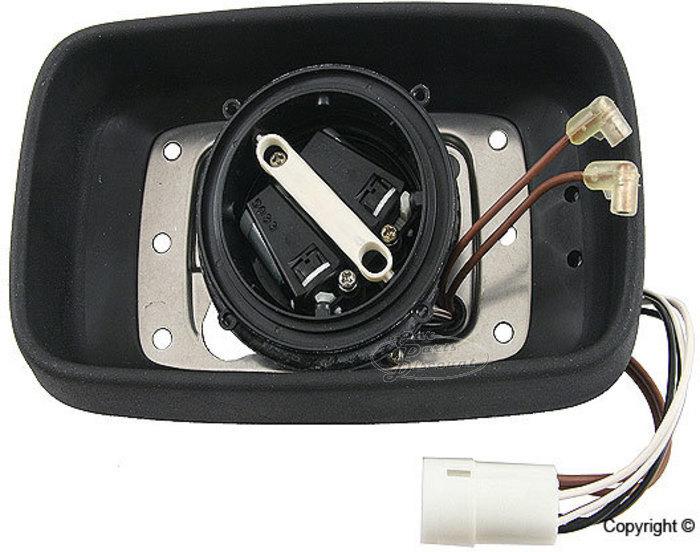 Genuine mirror motor/transmission(US $439.18)
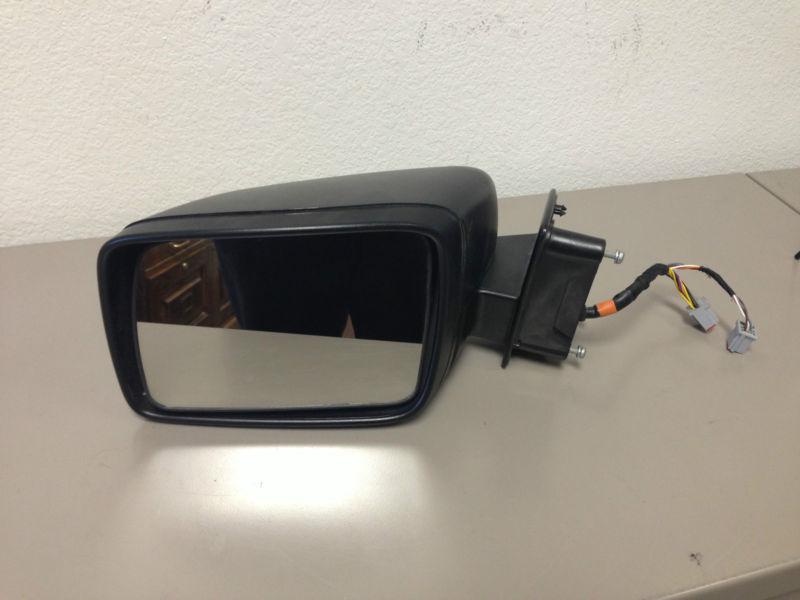 2009 land range rover sport hse left driver side view mirror lh oem original(US $300.00)
 New mirror door glass right view side 92-01 camry 95-99 avalon usa built r/h(US $14.35)
GM China opens Advanced Design Center in Shanghai
Wed, 19 Dec 2012General Motors China has opened a new advanced design studio as part of the establishment of its Advanced Technical Center in Shanghai. The Advanced Design Center will provide GM China's designers the tools to explore future mobility solutions and technology integration on a local and global scale. "Our new Advanced Design Center in Shanghai is part of the GM Global Design Center network, which webs from California to Germany to India and Korea and points beyond," said Wulin Gaowa, design director of the GM China Advanced Design Center.
Pagani Huayra: First US Pagani dealers revealed
Wed, 06 Apr 2011Pagani Huayra - now on sale in the USA For a car maker that’s sold fewer cars in its ten year life than Toyota makes in fifteen minutes, Pagani has built a real reputation as a maker of hugely desirable hypercars. Remarkably, that reputation has been built whilst excluding from it sales market the biggest market for hypercars of all – the United States. But that’s about to change.
Worth a read: Wired's 'Why Getting It Wrong Is the Future of Design'
Thu, 25 Sep 2014Wired has just published a series of short articles entitled 13 Lessons for Design's New Golden Age. While there are some interesting examples cited in the piece, the concluding article, ‘Why Getting It Wrong Is the Future of Design' by the former creative director of Wired magazine, Scott Dadich, feels like it has particular resonance for car design. Dadich's Wrong Theory uses disruptive examples from the world of art, plus his own experience of working at Wired, to explain how design goes through phases: establishing a direction, creating a set of rules that define that direction and finally someone who dares to break from that direction.