
Nos Pontiac 1969 Gto Parking Lamp Filler Rh on 2040-parts.com
Marlborough, New Hampshire, United States
|
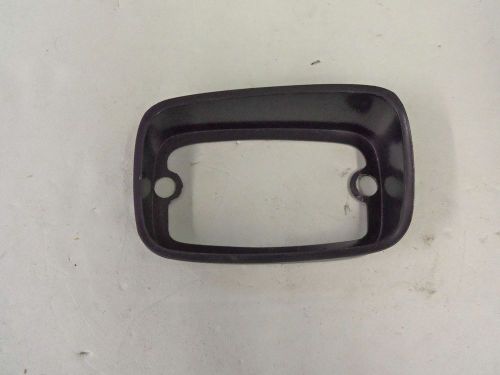
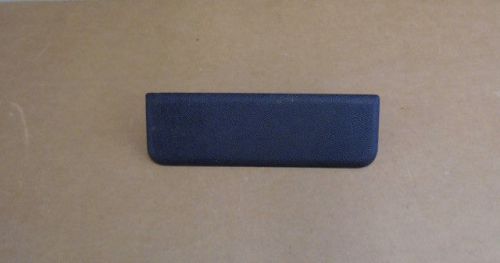
NOS PONTIAC MOLDED PLASTIC PARKING LAMP FILLER. IT FITS ON THE PASSENGER SIDE OF 1969 GTO'S.
THE PART IS IN EXCELLENT FACTORY NEW CONDITION. GM PART #9796262 IN ORDER TO KEEP A SIMPLE FORMAT FOR EVERYONE INVOLVED, OUR EBAY "AUCTION" SITE IS STILL LISTED SEPARATELY UNDER TRAMPAS205. PLEASE VISIT THIS LONG STANDING SITE FOR MORE NOS PARTS. |
Mouldings & Trim for Sale
 Nos pontiac 1973 1974 1975 1976 1977 lemans gto grand am rear of the hood mldng(US $125.00)
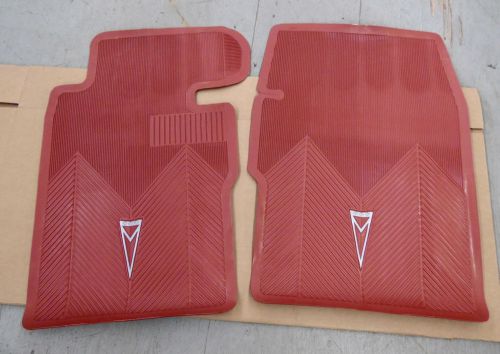 1961 1962 1963 pontiac tempest lemans accy front floor mats new red(US $125.00)
 Nos chevrolet 1970 1971 1972 monte carlo rocker panel molding rh(US $125.00)
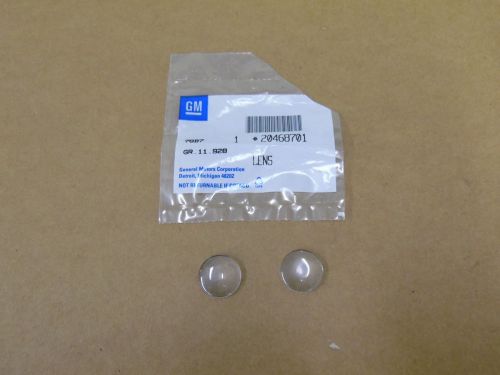 Nos pontiac pair firebird reading lamp lenses 1976 1977 1978 1979 1980-1990(US $29.00)
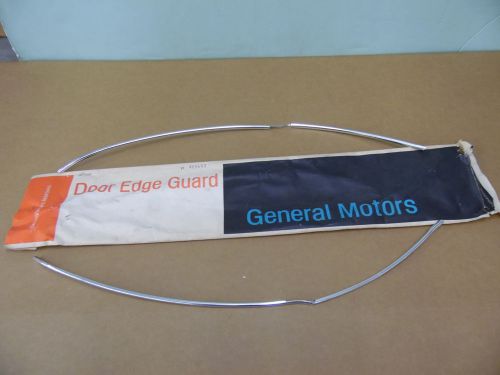 Nos chevrolet 1978 1979 1980 malibu el camino door edge guards aluminum 2-door(US $75.00)
 1966 pontiac gto lemans radio delete plate(US $59.00)
Renault Captur compact SUV prices revealed – costs from £12,495
Tue, 23 Apr 2013But by the time Renault had run their Captur Concept through the inevitable watering down concepts from mainstream car makers suffer, it turned in to a Clio with rufty-tufty bits and a higher ride height. Enter the production version of the Renault Captur at the start of 2013 and its subsequent debut at the Geneva Motor Show. Now Renault has revealed prices for the Captur, and its costs from £12,495 for the entry-level Expression trim with the TCe 90 engine, rising to £18,895 for the Dynamique S Media Nav with the dCi 90 engine and auto ‘box.
Audi S1 & S1 Sportback revealed with 228bhp (+video)
Wed, 12 Feb 2014The Audi S1 has been revealed (S1 Sportback pictured) Audi has been threatening a quattro driven A 1 as a full production model ever since the limited edition A1 Quattro arrived two years ago with 252bhp and a very big price tag. An now we get it. The new Audi S1 has been revealed ahead of a debut at the Geneva Motor Show next month, and it gets quattro 4WD just like the A1 Quattro, even if it has to make do with less power – the S1 delivers 228bhp and 237lb/ft of torque from its 2.0 litre turbo – that’s less bhp but more torque than the A1 quattro managed.
Worth a read: Wired's 'Why Getting It Wrong Is the Future of Design'
Thu, 25 Sep 2014Wired has just published a series of short articles entitled 13 Lessons for Design's New Golden Age. While there are some interesting examples cited in the piece, the concluding article, ‘Why Getting It Wrong Is the Future of Design' by the former creative director of Wired magazine, Scott Dadich, feels like it has particular resonance for car design. Dadich's Wrong Theory uses disruptive examples from the world of art, plus his own experience of working at Wired, to explain how design goes through phases: establishing a direction, creating a set of rules that define that direction and finally someone who dares to break from that direction.