
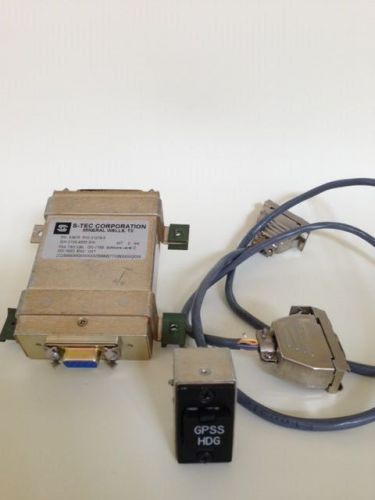
S-tec St-901 Gpss Converter on 2040-parts.com
Woodstock, Georgia, United States
|
What is it? Historically, general aviation autopilots have flown navigational flight paths by either “tracking” or “coupling to” CDI or HSI needle deflections. This means that the system had to deal with needle deflection variations and noisy signals, resulting in some unintentional wandering, particularly at station passage. Pilots of “big iron” have enjoyed the benefits of roll steering since the early 60’s through the functional output of Inertial Navigation System (INS). Their flight management systems output roll steering commands to the autopilot for all of the leg types typically encountered in instrument flying. Roll steering commands are inherently more accurate as they are based on known location, flight path, ground speed, and anticipated maneuvers; and they fly the aircraft much more precisely. How does it work? As opposed to “tracking”, which essentially is reacting to signal input, GPSS anticipates course changes. When approaching a waypoint, for example, GPSS transitions to a new leg by anticipating arrival at the waypoint, and initiating a coordinated turn so that the aircraft is established on the new heading without overshooting or under-shooting the new course. When the aircraft is equipped with a GPS navigator that outputs composite roll steering commands, the pilot can hand off the steering of the aircraft for enroute or approach flight directly to the navigator. In enroute flight, GPSS will fly the desired flight path as defined by the flight plan stored in the GPS, very accurately, since the GPS not only knows exactly where it is, but where it’s going. As the leg changes are anticipated, the GPS navigator calculates the exact turn initiation point required to fly from the centerline of the current leg directly on to the centerline of the new leg, based on the ground speed of the aircraft. It then sends steering commands to the GPSS function, and the autopilot flies a precisely curved transition path between the legs. In addition to more accurate course tracking, GPSS significantly reduces the pilots’ workload by not having to set the course arrow or heading bug at leg changes (although many pilots may make those setting changes for enhanced situational awareness). GPS & GPSS - now and in the future Currently, many general aviation GPS systems output composite roll steering commands for enroute navigation and limited approach transition procedures such as DME arcs. GPS system manufacturers are rapidly expanding their databases and software to include full procedure approaches, transitions to approaches, procedure turns, holding patterns, and more. Only the items in the photo will be shipped! |
GPS for Sale
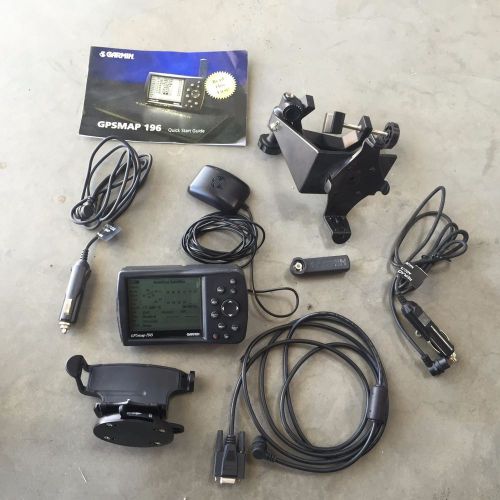 Gpsmap 196(US $100.00)
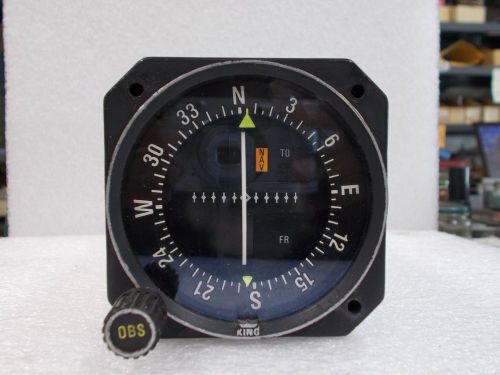 Kln 89b tso gps assembly and connecting kit(US $1,000.00)
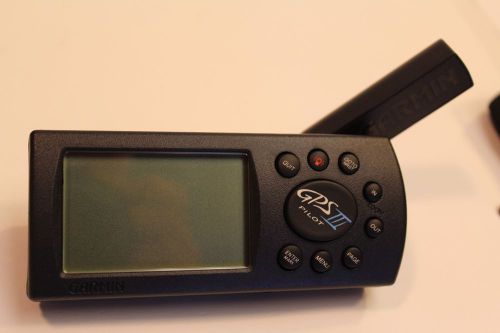 Garmin gps iii pilot aviation handheld 12 parallel channel receiver w/ carry bag(US $189.99)
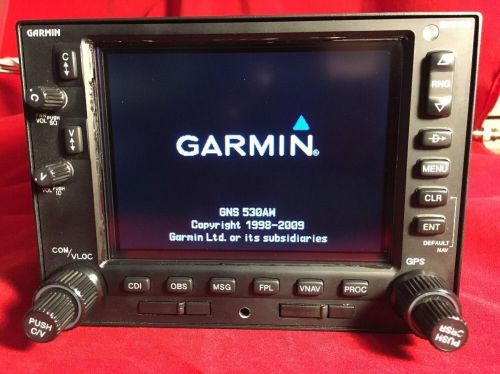 Garmin gns530aw gns530w with high power transmitter 011-01066-00 gns 530w 530aw
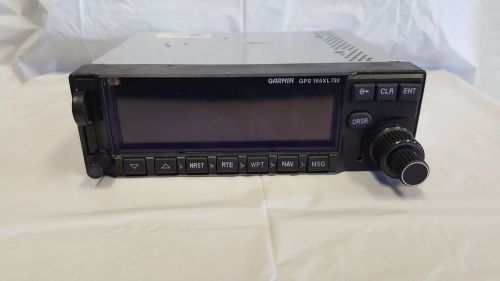 Garmin gps 155xl p/n 011-00412-00(US $1,100.00)
 S2357-1 clamp pack of 7(US $21.00)
Volkswagen Golf GTD Mk 7 revealed
Thu, 21 Feb 2013The 2013 VW Golf GTD has been revealed ahead of a Geneva Motor Show debut with 181bhp, 67.3mpg and 109g/km emissions. The new VW Golf GTD get VW’s new 2.0 litre 4-cylinder diesel which offers an impressive 181bhp and a very decent 280lb/ft of torque, enough to get to 62mph in 7.5 seconds and on to a top speed of 143mph. The extra power (up 13bhp and 22lb/ft of torque) may mean better performance than the Mk 6 GTD, but it’s not at the price of poorer economy.
Race-ready Dodge Viper SRT10 ACR-X revealed
Thu, 10 Dec 2009The Dodge Viper special editions continue, and on Thursday a turnkey race car, called the Viper SRT10 ACR-X, broke cover. It's not street-legal and is upgraded with a slew of performance modifications aimed at racing enthusiasts. Power grows by 40 hp, to 640 hp, for the 8.4-liter V10.
Electric-car start-up aims to keep NUMMI open with zero-emission vehicles
Thu, 11 Mar 2010Electric car hopeful Aurica Motors LLC is floating a plan to keep open a California joint venture between Toyota and General Motors by building zero emission vehicles there. Aurica has been negotiating the plan with New United Motor Manufacturing Inc. for the past three months, Aurica General Manager Matt Pitagora said in a phone interview late Wednesday.