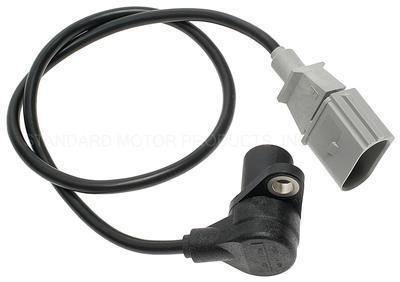
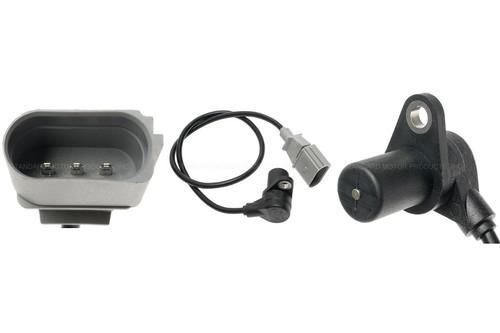
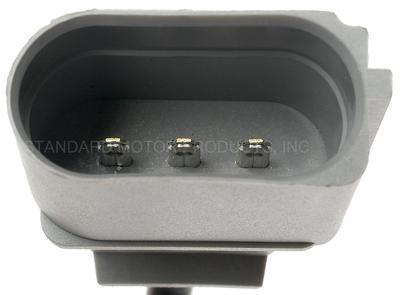
Smp/standard Pc520 Crankshaft Position Sensor-crankshaft Sensor on 2040-parts.com
Grand Rapids, Michigan, US
Electronic Ignition for Sale
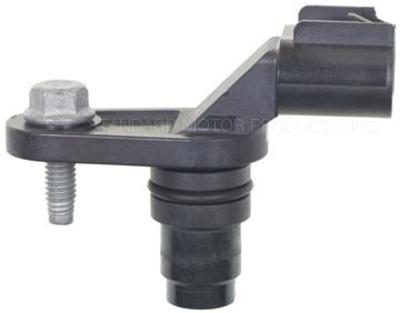 Smp/standard pc655 camshaft position sensor-engine camshaft position sensor(US $44.57)
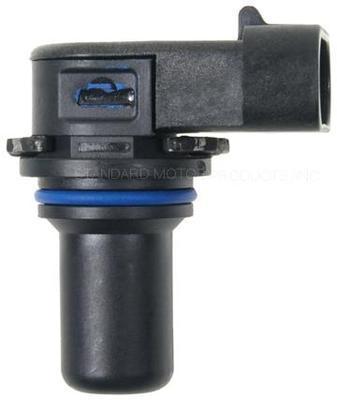 Smp/standard pc754 camshaft position sensor-camshaft sensor(US $36.90)
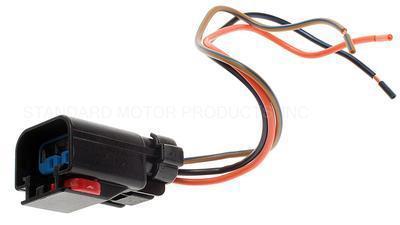 Smp/standard s-738 elec connector, engine/emission-pigtail assembly(US $14.70)
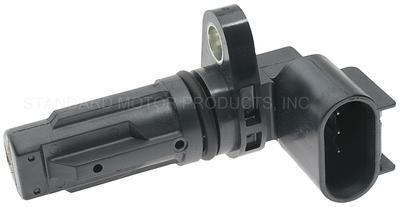 Smp/standard pc519 crankshaft position sensor-crankshaft sensor(US $34.14)
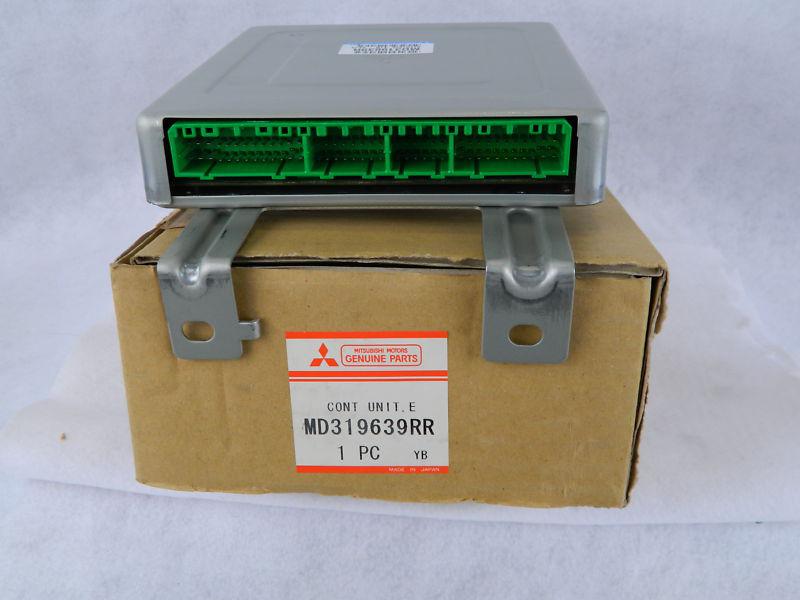 New 1996-97 mitsubishi 3000gt vr4 dodge stealth tt md319639r ecu engine computer(US $329.99)
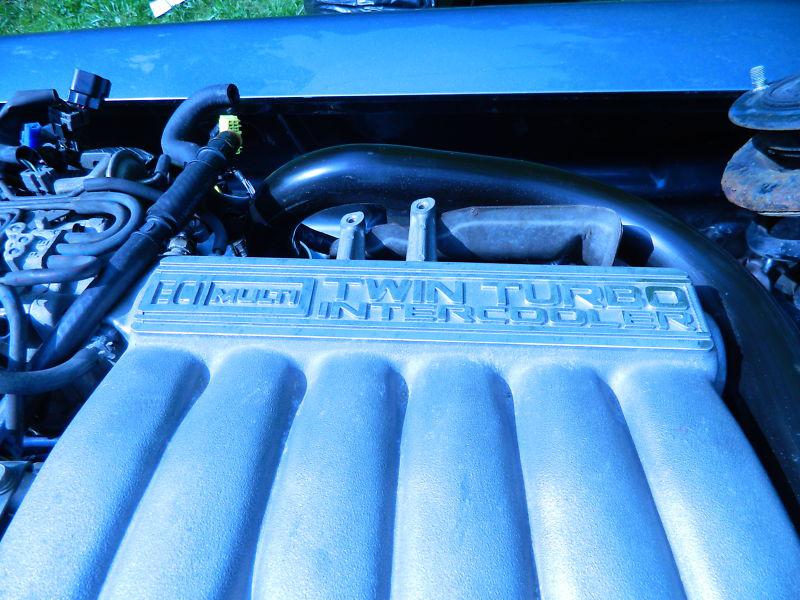 1991-92 mitsubishi 3000gt vr4 dodge stealth 6g72tt engine trans complete(US $2,350.00)
Higher speed limits 'save lives'
Fri, 28 Feb 2014AN INCREASE in the speed limits on some roads in Denmark has reduced traffic collisions and cut road deaths. The two-year trial has also found that higher speed limits on motorways have helped lower the number of accidents. The Danish road directorate conducted the trial on rural two-way roads where there had previously been an 80km/h (50mph) speed limit and increased it to 90km/h (56mph).
Who's Where: Bryan Nesbitt appointed VP of Design for GM North America
Fri, 04 May 2007General Motors is looking to inject some newfound flair into its North American product lineup. Effective June 1, Bryan Nesbitt, currently Executive Director of Design at General Motors Europe will become Vice President of Design for North America and relocate to the company's technology headquarters in Warren, Michigan. The 38 year old, credited with the forward-thinking but retro PT Cruiser design in 1996, began his career at DaimlerChrysler and became the youngest design executive when he was appointed Executive Director of Body Frame Integral at General Motors in 2002.
Nissan showcases crashproof cars and an eco pedal
Wed, 06 Aug 2008By Tim Pollard Motor Industry 06 August 2008 09:17 Nissan has unveiled a brace of new technologies to make driving in the 21st century cleaner and greener – but they also signal a further erosion of driver independence, ceding more control from man to microchip. How so? Well, the new systems announced today mark a step towards the driverless car: one is part of a project that hopes to eliminate accidents altogether while the other pushes against the accelerator to encourage a lighter right foot.