
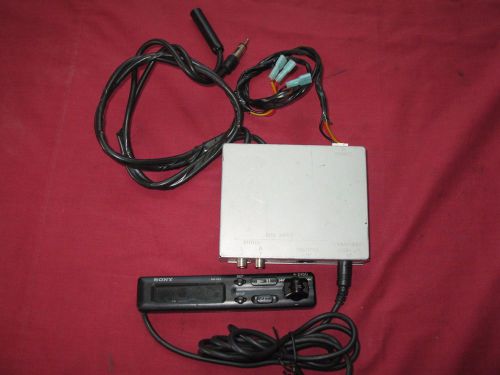
Sony Car Stereo Cd Player Remote Control Model Rm X64 on 2040-parts.com
Fort Worth, Texas, United States
|
You're bidding on this Sony model RM-X64, CD changer remote control unit. It's in nice overall condition showing only light normal signs of use but no abuse. Comes with everything you see. Ready to go to work for you. Please e-mail me with any questions. Thanks for looking.
|
Remote Controls for Sale
 Oem panasonic car audio remote control yefx9992663(US $9.99)
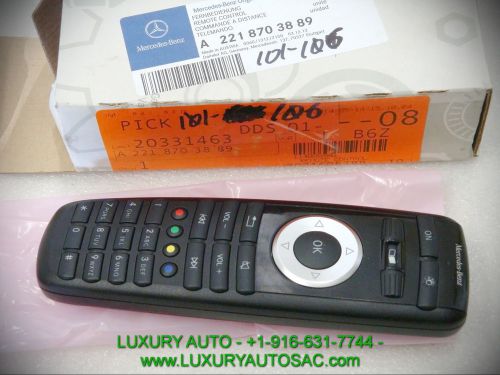 2009-2013 mercedes oem s ml gl r amg class dvd player entertainment remote(US $95.00)
 Pioneer cd-sr11 wireless / steering wheel remote pioneer navigation headunits(US $32.79)
 Pac controlpro swicp5 android & ios programable steering wheel control interface(US $69.99)
 Gladen rtc amplifier remote control gain knob for select subwoofer amps new(US $49.99)
 2008 gmc yukon remote control(US $25.00)
Nürburgring sold for £83m to German auto tech group (2014)
Wed, 12 Mar 2014By Ollie Kew Motor Industry 12 March 2014 11:00 The Nürburgring racetrack in Germany has been sold to German automotive and aerospace technology conglomerate, Capricorn Group, for a figure in excess of €100m (£83m), it has been announced. The Capricorn bid narrowly beat a rival offer from HIG Europe by virtue of its ‘higher purchase price and good prospects for the region’. For now, it’s business as usual.
2012 Ford Focus ST gets 297bhp
Fri, 30 Nov 2012Those clever chaps at SuperChips have given the 2012 Ford Focus ST a bit of an ECU tweak to deliver 297bhp and an extra 85lb/ft of torque. When we reported last week that WTC outfit Arena had in roped Ford’s tuner of choice, Mountune, to give the new Ford Focus a makeover, we were a tad disappointed to discover that they were tweaking the rather journeyman Focus Zetec S. That meant the Zetec S got 200bhp – a handy jump – but we bemoaned the fact that they hadn’t fiddled with the Focus ST to give us a car to fill the void left by the absence of a Focus RS in the current iteration of the Focus.
Diesel pollution affects honeybees senses
Fri, 04 Oct 2013DIESEL pollution makes it harder for honeybees to find flowers - by changing the chemical make-up of their scent, scientists have found. Honeybees use floral odours to find flowers that will give the best yields of pollen and nectar. But diesel fumes can affect their ability to locate and recognise the plants, potentially affecting pollination and ultimately global food security, the study published in the journal Scientific Reports found.