
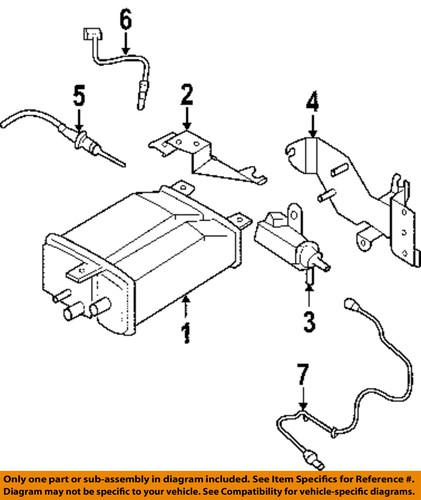
Subaru Oem 22629aa012 Oxygen Sensor on 2040-parts.com
Brunswick, Ohio, US
Emission Modules/Control Units for Sale
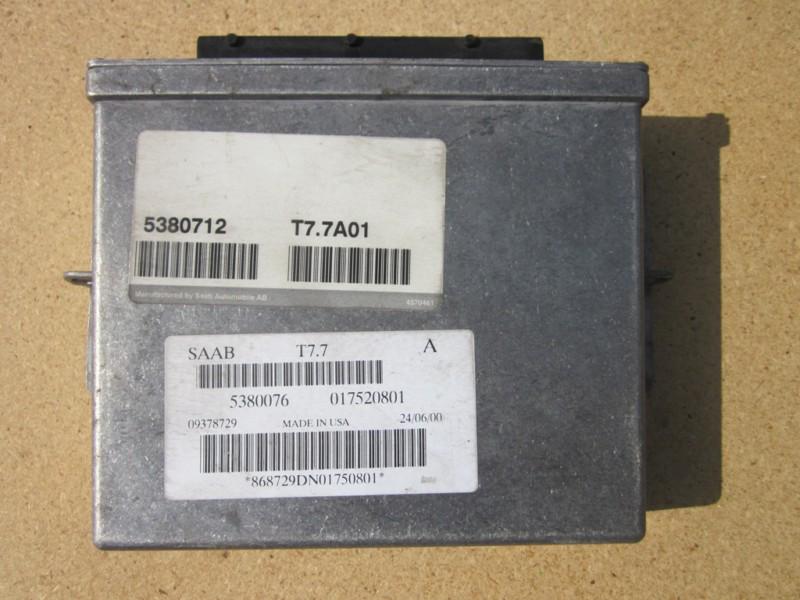 1999 - 2001 saab 9-5 4-cylinder t7 ecu engine computer(US $50.00)
 Pair of genuine ferrari control / cat 2.7 module pt # 142581 mondial t 348 f40(US $448.50)
 Mazda oem bp3b1886z 9u oxygen sensor(US $213.18)
 01 02 03 04 discovery se ii 4dr engine control computer module oem(US $61.59)
 New oextra rea1183-sg827 oxygen sensor for cadillac,chevrolet,gmc 2002-2007(US $17.88)
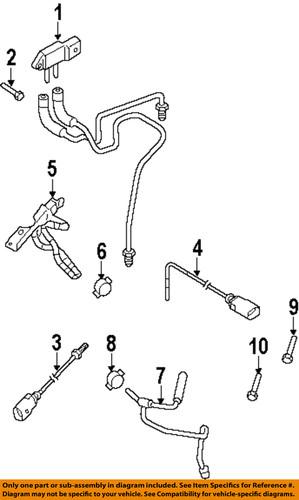 Volkswagen oem 03l906088l oxygen sensor(US $130.85)
Hennessey Venom F5 (2016): is this really a 290mph supercar?
Thu, 07 Aug 2014By Tim Pollard First Official Pictures 07 August 2014 10:16 Meet the Hennessey Venom F5, the extreme supercar successor to the Venom GT. And the US manufacturer has bold ambitions for the Venom F5 - it claims 290mph could be on the cards. While we’re of the view that the race to the top is largely academic (anything over 200mph is as good as impossible, even on derestricted autobahns), it’s still an eye-grabbing headline.
MINI Paceman: Price from £18,970
Thu, 21 Mar 2013The MINI Paceman – the MINI Countryman Coupe – will be available in the UK from £18,970 with a choice of petrol or diesel engines, FWD or 4WD. After a debut in production guise at last year’s Paris Motor Show, the MINI Paceman is now hitting the Uk with a choice of petrol or diesel engines, manual or auto gearbox and front wheel drive or four wheel drive. Petrol engine choices for the Paceman are the 1.6 litre Cooper Paceman with 122bhp, 0-62mph in 10.4 seconds and 47.1mpg and the Cooper S Paceman with the same 1.6 litre but with 184bhp, 0-62mph in 7.5 seconds and 46.3mpg. There’s also the 218bhp MINI John Cooper Works Paceman that can hit 62mph in a pretty swift 6.9 seconds.
BMW, Daimler experiment with upscale rent-by-the-ride
Fri, 24 Dec 2010Two European luxury brands are tiptoeing into car sharing, a radical move for carmakers whose business for the past 100 years has been selling to individuals. German archrivals Daimler AG and BMW AG have launched sharing programs. The automakers say the move was prompted by changing attitudes about car ownership, especially among young buyers, and increased urban congestion.