Wave Wi-fi Roguewave Rogue Wave Ethernet Converter/bridge Wifi Range Extender on 2040-parts.com


Antennas for Sale
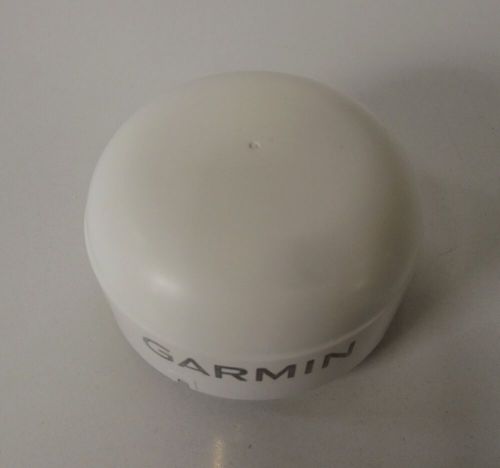 Garmin gps-17x nmea 2000 gps antenna (puck only) tested- good cond free shipping(US $149.99)
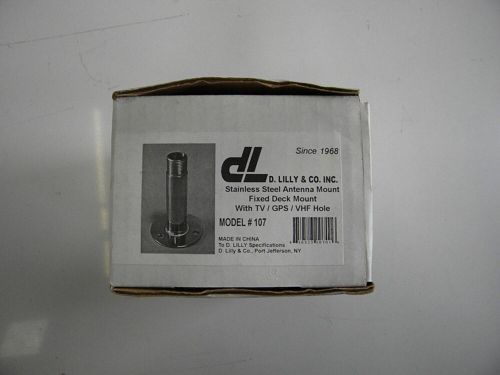 D lilly 107 stainless 4" antenna mount w/1"-14 threads replaces shakespeare 4365(US $14.99)
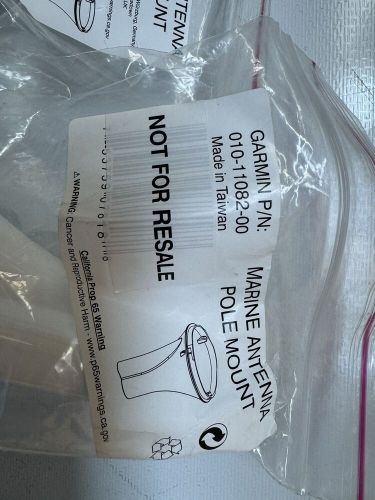 Garmin marine antenna pole mount 010-11082-00(US $5.92)
 Shakespeare marine 5400-xt, 4' 3db galaxy vhf stainless steel ferrule antenna(US $129.00)
 Glomex sgr50pbbk 19.3" fm shark fin antenna(US $19.85)
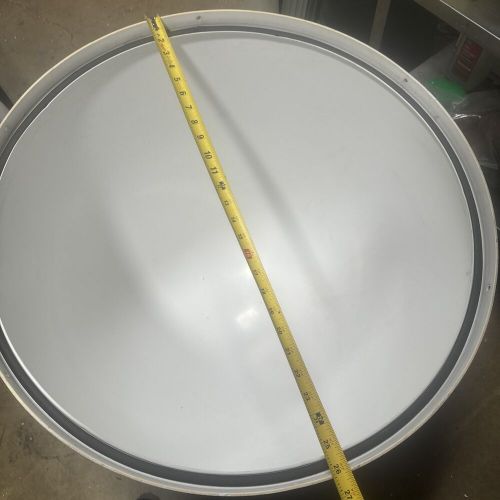 Fits: kvh tracvision m7 empty dome 24″ dummy satellite white(US $444.99)
Nissan Skyline buying guide
Wed, 24 Oct 2007By Ben Barry First Official Pictures 24 October 2007 05:50 A Skyline buying guide? Since when were you an authority? We’re not, which is why we’ve roped in Andy Barnes from Skyline experts Sumo Power to give us the lowdown on the last generation GT-R: the R34.
Computer gamers pass test but more likely to crash
Tue, 01 Apr 2014PEOPLE who play computer games are more likely to pass their driving test at the first attempt but they are also the most likely to crash within 12 months of gaining a full driver’s licence. Research shows 73% of computer gamers pass their driving test at the first try compared to 58% of the total of test applicants. However, the same study by insurance firm Privilege also showed 77% of gamers had a car accident with the first year of driving when only 27% of the total number of new drivers experienced the same problem.
Concept Car of the Week: Honda Kiwami (2003)
Fri, 11 Apr 2014As part of Honda's exploration into new, clean-performing technologies, the Kiwami concept was created to test public acceptance of the idea of a large, fuel cell-powered luxury sedan. Unveiled in 2003, the simple yet striking design seemed like a Japanese twist on the Renault Vel Satis concept, which shared a similar wedge profile, wide stance and minimalist approach. However, the Kiwami found its own interpretation of modern luxury, expressed through elegantly integrated technology rather than with crystal champagne glasses. Up front, a full-width LED strip headlamp sat flush with the flat bonnet and the rectangular bumper to create a design of primitive beauty. Further examples of the same simple Japanese aesthetic are found around the car, including the uncluttered body panels and a full-width tail-lamp graphic that matched the front theme. The dramatic proportions of the interior were closely related to the package of the hydrogen power plant. Unlike other manufacturers at the time, Honda engineers did not create a 'skateboard' fuel cell chassis below the cabin. Instead, a sideways H-shaped layout for the control unit, ultracapacitor, fuel cell stack, hydrogen storage and other components was used, helping to create a lower center of gravity.